What is Upset Forging?
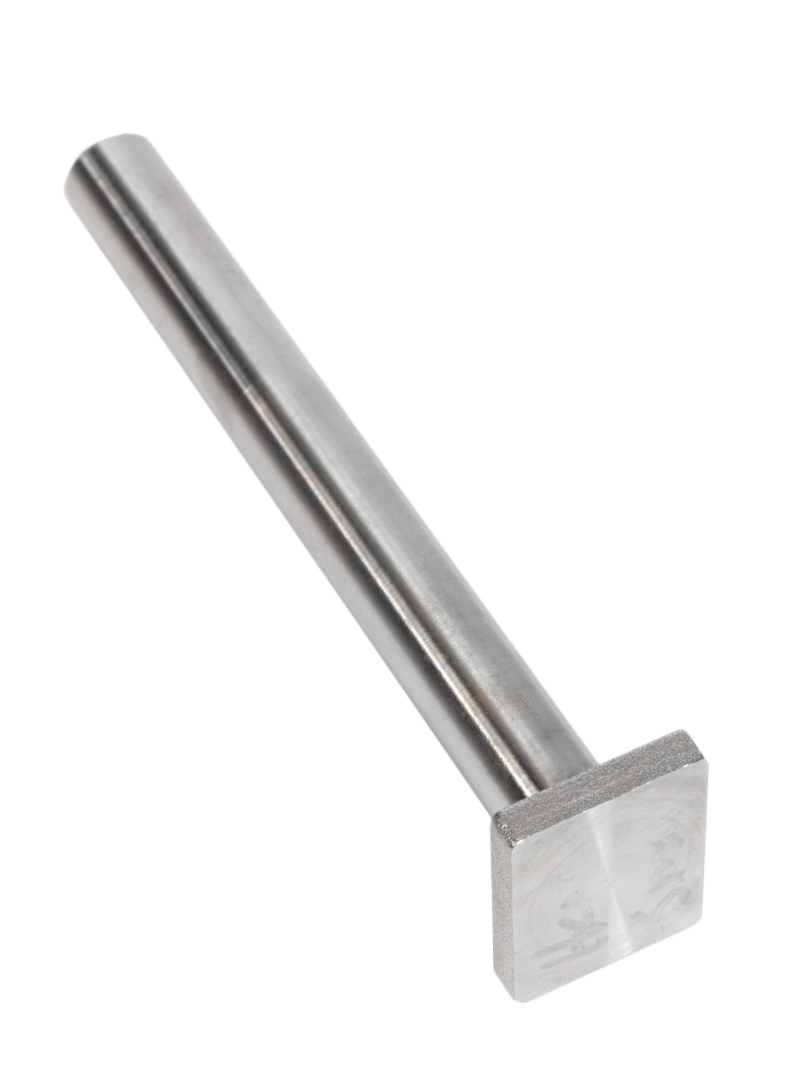
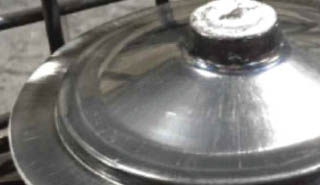
One of the most common forms of forging today, upset forging, can be used to form multiple metal components quickly. The process is ideal for producing pieces such as bolts, couplings, engine components, and more.
The Upset Forging Process
Upset forging machines are a type of specialty forging press. These machines, first designed to efficiently forge the head on a bolt or similar fastener, spawned an entirely separate class of specialty forging machines called cold headers.
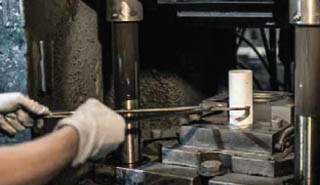
In principle, all machines in the class operate in a similar fashion. The ram moves in a horizontal direction to press against the end of a piece of bar stock, to increase volume and form a shape at the end of the bar. Dies powered by additional linkage also capture the bar stock immediately behind the mass being forged to support the bar, controlling the end being upset.
While the operation referred to as “upsetting” may be performed in conventional presses, sometimes as part of a forging sequence to shape metal in preparation for a final strike in a finish die cavity, upset forging machines can typically provide improved throughput for items produced in volume.
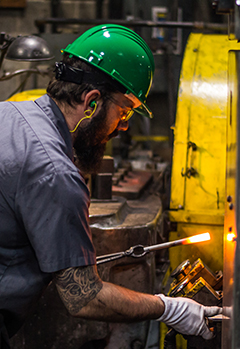
Upset Forging Examples
Upset forging is often used for items such as:
- High strength bolts
- Engine valves
- Couplings
- Sucker rods for oilfield jack pumps
Special high speed hot formers, also included in this class of machines, produce a wide range of axisymmetric round shapes that are subsequently machined into gear forms of all kinds for automotive transmission and engine components.
Looking for a Forging Company?
As an experienced upset forging company, Queen City Forging can help deliver the parts you need with unparalleled strength and durability. Find out how Queen City Forging uses upset forging to manufacturer silicon iron electromechanical relays for rail transportation, or contact us today about your project.