
What is Forging?
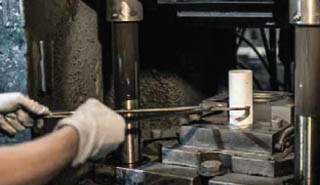
Forging is the process of shaping metal with heat and pressure. Many think of forging as outdated, imagining scenes of blacksmiths hammering hot iron against an anvil in a dark shed. Some may have seen drawings of forge works as examples of the dawn of the industrial revolution. Scenes of rough and brawny men feeding red hot ingots into the maw of a great, gasping steam hammer are often depicted in history books.
However, in the 21st century manufacturing environment, those scenes are long gone. Although the forging process remains largely the same as it has for centuries, modern-day forging is essential to producing components that are used in our everyday lives.
What are Forged Parts Used For?
Industrial forged parts become critical components in a wide variety of equipment, machinery, and structures where conditions require durability and resilience– and where failure would result in catastrophic consequences. Examples include:
- Aircraft parts
- Engine components
- Heavy machinery
- Construction equipment
- Medical devices
- Railroad components
Modern-Day Forging Techniques
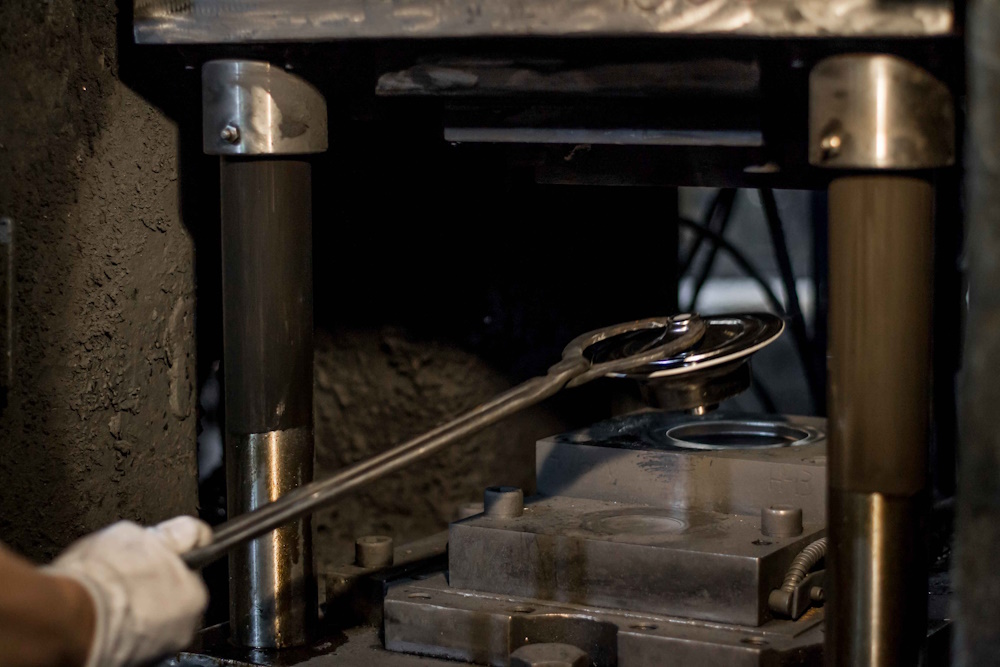
Modern-day forging combines current technologies with the time-tested foundation of applying thermal and deformation energies– making it as relevant today as it has been for the past thousand years.
The past century has seen the invention of many new material processes and production methods. Each has evolved to address certain production niches, providing:
- Improved efficiencies
- New design capabilities
- Enhanced performance in specific end uses
Many processes will champion the ability to provide performance “near wrought properties.” That means “not quite as good” as forging. Forging is the method that produces “wrought properties.” Often, the comparisons to “wrought properties” are made versus “standard textbook” values that were established as long as 100 years ago. Just as the new material processes have advanced, so forging has also advanced, improving metallurgical performance to meet the challenges for improved strength, toughness and durability even as weight is reduced.
Forging parts with this combination of time-tested and modern methods produces components with greatest properties possible.
Explore Our Resources
Queen City Forging has a wealth of knowledge on the forging process and the metallurgy it can produce. We seek to educate others to improve our shared understanding about the many variables that are part of the forging process – and the way the products we make can serve the needs of machine designs yet to be invented.
We invite you to explore our wealth of resources. Not sure where to start? Check out: