

What is Forged Steel?
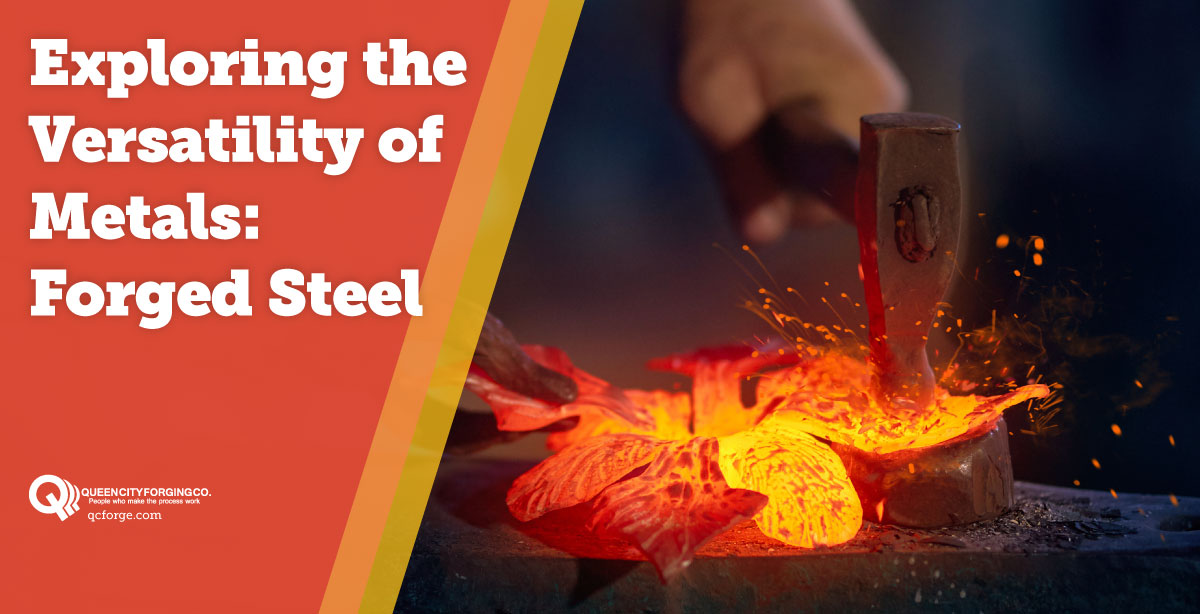
Forged steel is created through a process that involves shaping the metal by applying pressure to the steel in a softened state. This process is known for giving forged steel superior strength and toughness. This makes it ideal for high-stress applications where reliability is a must. Common uses include automotive components, industrial machinery, and tools.
Advantages of Forged Steel
- Strength: The forging process aligns the grain structure of the steel, enhancing its strength and fatigue resistance.
- Durability: Forged steel components can withstand extreme conditions and heavy loads.
- Precision: The forging process allows for tight tolerances and consistent quality.
Applications of Forged Steel
Forged steel’s durability makes it indispensable in many industries. The most common applications are:
- Automotive: Components such as crankshafts, connecting rods, and gears are often forged to ensure maximum performance and safety. These components have to be durable considering the conditions they must still perform in.
- Aerospace: High-stress parts, including landing gear and engine components, rely on forged steel for their reliability.
- Tool Manufacturing: The production of hammers, wrenches, and other hand tools benefits greatly from the strength and durability of forged steel. They must be strong and nearly indestructible in some cases.

Uses of Forged Steel
As mentioned above, its most common applications are in the automotive, aerospace, and tool manufacturing industries. However, additional uses of forged steel include:
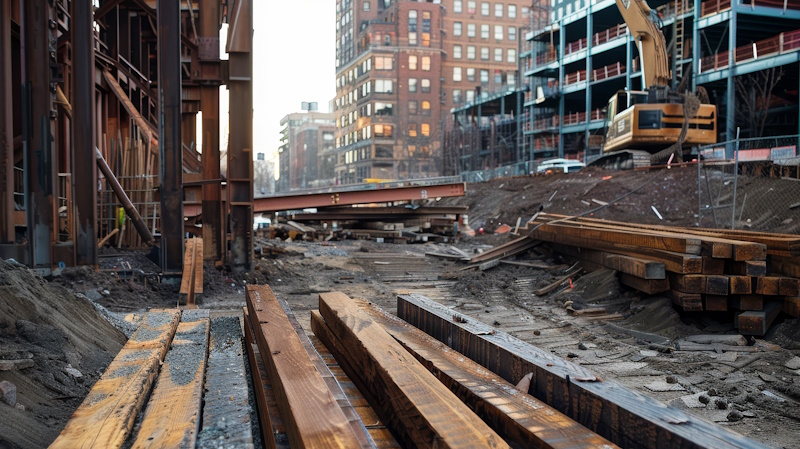
- Construction: Foundation piles, beams, and columns leverage forged steel’s strength in building sturdy structures. Steel is not flexible and is strong enough to support our buildings. In addition, heavy machinery used in the construction industry relies on forged steel to operate.
- Oil and Gas Industry: Drill bits, valves, and couplings made from forged steel ensure safety and efficiency in extraction and transportation processes.
- Shipbuilding: The robustness and fatigue resistance of forged steel are crucial for manufacturing propellers, shafts, and other marine components.
- Railway: Forged steel is used in the production of wheels, axles, and rails, contributing to the durability and safety of trains. Forged Electrical Steel are also used for rail relay components.
Is Forged Steel Right for Your Project?
At Queen City Forging, our expertise in working with forged steel enables us to deliver high-quality products that meet the stringent demands of various industries. Our deep understanding of this material’s unique properties and applications ensures that we can provide tailored solutions to our clients. We are committed to maintaining the highest standards of quality and craftsmanship.
For more information about our services and capabilities, please contact us. We look forward to partnering with you to achieve your metalworking needs.
Filed under: Forging Materials, Forging Benefits, Top Forging Questions