

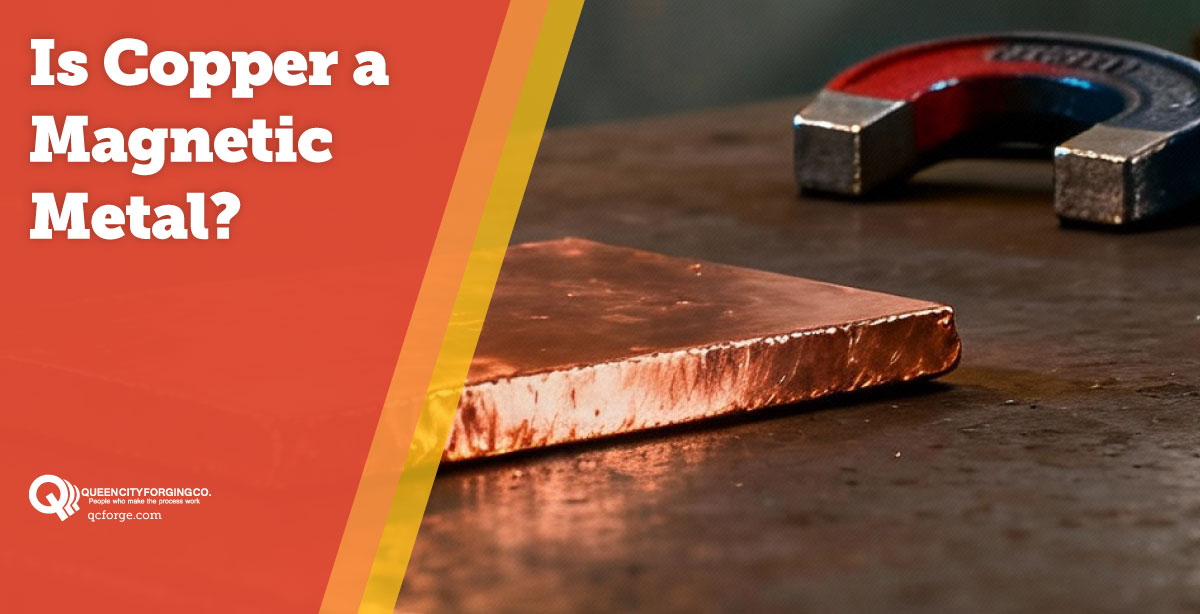
One question we often hear at Queen City Forging is: “Is copper magnetic?” In short, no—copper is not magnetic. Copper is a diamagnetic material, which means it does not attract magnets. In fact, it slightly repels them.
Whether you’re a hobbyist, engineer, or just curious, we can shed light on why copper is not magnetic. We’ll also look at how this versatile material gets used in industries like manufacturing, electronics, and beyond. Let’s break it down.
The Short Answer: No, Copper Isn’t Magnetic
In everyday terms, copper is not magnetic. You won’t see it sticking to a fridge magnet or being pulled toward a magnetic field like iron or steel might. This is because copper is classified as a diamagnetic material—a fancy term that simply means it doesn’t attract magnets and even slightly repels them under certain conditions. But to really understand why, let’s dive into the science behind it.
Why Isn’t Copper Magnetic?
Magnetism in metals comes down to how their electrons behave. Metals like iron, nickel, and cobalt are ferromagnetic, meaning their electrons are arranged in a way that creates strong magnetic fields. This makes them stick to magnets or even become magnets themselves. Copper, on the other hand, doesn’t have this property. Its electrons are paired up in a stable configuration, leaving no unpaired electrons to generate a magnetic field.
In practical terms, if you hold a magnet near a copper pipe or sheet, it won’t move. In fact, copper’s diamagnetic nature means it weakly opposes magnetic fields. This opposition is so subtle you’d need sensitive equipment to notice it, but it’s part of why copper behaves differently from magnetic metals.
Can Copper Ever Interact with Magnets?
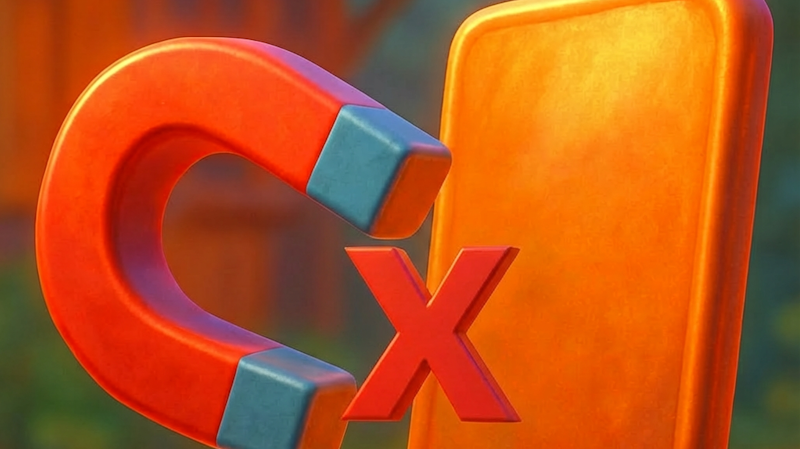
Here’s where it gets interesting. While copper isn’t magnetic on its own, it can interact with magnets under specific circumstances. If you’ve ever seen a science demo where a magnet slides slowly down a copper tube, that’s due to something called eddy currents. When a magnet moves near copper, it induces tiny electric currents in the metal. These currents create their own temporary magnetic field, which opposes the magnet’s motion—slowing it down. This doesn’t make copper magnetic, but it shows how conductive metals like copper can play with magnetic forces in unique ways.
At Queen City Forging, we’ve seen this principle in action when working with copper alloys for applications requiring high electrical conductivity. It’s a reminder of how a metal’s properties can influence its real-world use.
Copper vs. Magnetic Metals: What’s the Difference?
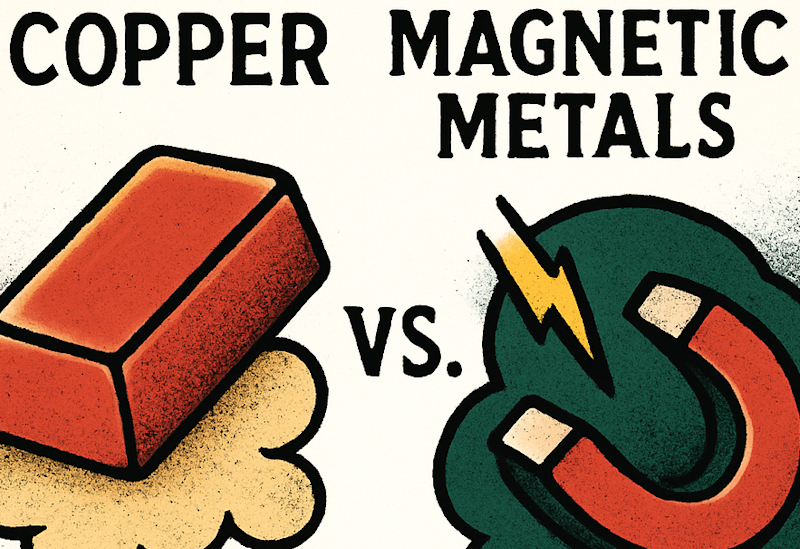
To put it in perspective, let’s compare copper to a magnetic metal like steel:
- Copper: Non-magnetic, highly conductive, corrosion-resistant—perfect for wiring, heat exchangers, and decorative forgings.
- Steel: Magnetic (depending on its alloy), strong, and durable—ideal for structural components or tools.
This distinction matters in forging. When we craft copper parts for our clients, we’re leveraging its non-magnetic and conductive qualities, often for industries like aerospace or electronics where those traits shine.
Common Uses of Copper
Knowing copper isn’t magnetic helps explain why it’s a go-to metal for certain jobs. For example:
- Electrical Applications: Copper’s lack of magnetism and excellent conductivity make it the backbone of wiring and circuitry.
- Industrial Design: In forging, we use copper for parts that need to resist corrosion or perform in non-magnetic environments.
- Everyday Uses: From plumbing to art pieces, copper’s properties make it both practical and beautiful.
The Queen City Forging Difference
With over a century of experience in metal forging, we at Queen City Forging understand how a metal’s properties—like copper’s non-magnetic nature—shape its applications. Our expertise allows us to tailor solutions for clients, whether they need copper’s conductivity or the strength of magnetic alloys like steel. We’re not just forging metal; we’re forging answers to technical challenges.
Have more questions about copper or other metals? Reach out to us at Queen City Forging. We’re here to help you understand the materials that power your projects.
Filed under: Forging Materials, Top Forging Questions