

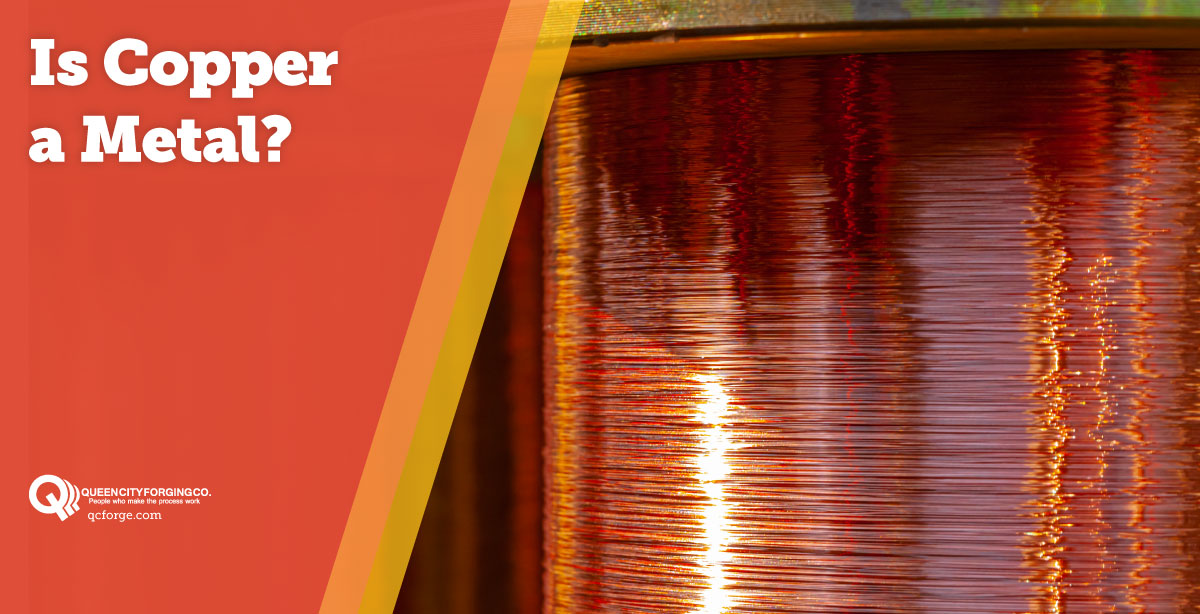
Copper is a metal— specifically, it’s a chemical element and a transition metal found on the periodic table. Its properties include high electrical and thermal conductivity, malleability, ductility, and corrosion resistance. These properties are why copper has been used for centuries in tools, wiring, coins, and architecture, making it one of the most recognizable and useful metals in the world.
Let’s dive into the world of copper and uncover its remarkable properties, diverse uses, and why it has such an important place in various industries.
About Copper
As noted above, copper is a metal. It belongs to the elite category of transition metals on the periodic table, celebrated for their ability to conduct electricity and heat. Copper’s unique properties make it one of the most versatile and indispensable metals in the world.
Properties of Copper
Copper boasts several unique properties that contribute to its widespread use:
- Unmatched Conductivity: Copper is a superstar conductor of electricity and heat, making it the material of choice for electrical wiring and thermal applications.
- Incredible Malleability and Ductility: Copper can be effortlessly shaped and stretched into thin wires without breaking, which is why it’s a staple in electrical cables and plumbing.
- Stellar Corrosion Resistance: Copper has a natural resistance to corrosion, ensuring its longevity and reliability in various environments.
- Powerful Antimicrobial Properties: Copper has the magical ability to kill bacteria and other microbes, making it a valuable material in medical and sanitary applications.

Historical Uses
Did you know that copper was one of the first metals to be embraced by humans? Archaeological evidence reveals that copper has been used for over 10,000 years. Ancient civilizations, such as the Egyptians and Romans, harnessed copper for tools, weapons, and even sophisticated plumbing systems.

Modern Uses
Copper’s versatility makes it a cornerstone in numerous industries, including:
- Electrical: Copper is the undisputed champion for electrical wiring, motors, and transformers due to its unparalleled conductivity.
- Construction: Copper is often used in plumbing, roofing, and cladding, thanks to its durability and resistance to corrosion.
- Automotive: Copper is essential for crafting radiators, brake tubing, and electrical components in vehicles.
- Medical: Copper’s antimicrobial properties make it ideal for medical equipment, hospital surfaces, and even antimicrobial textiles.

Copper in Everyday Life
Copper is all around us, often in places we might not even realize. From the electrical wiring in our homes to the coins in our pockets, copper plays a crucial role in our daily lives. Its unique combination of properties ensures that it remains a vital material in modern technology and infrastructure.

Conclusion
In conclusion, copper is not only a metal but also a widely-used one with a rich history and a range of applications. Its excellent conductivity, malleability, corrosion resistance, and antimicrobial properties make it an essential material in various industries. Whether it’s powering our homes, ensuring clean water, or contributing to medical advancements, copper’s importance cannot be overstated.
So, the next time you see a shiny copper wire or a penny, take a moment to marvel at the incredible properties and history of this versatile metal. Copper truly is a metal that has stood the test of time and continues to play a vital role in our world.
For more information on copper and its applications, feel free to reach out to us. We’re always here to help you explore the fascinating world of materials science!
Filed under: Forging Materials, Top Forging Questions