

At Queen City Forging we work with various metals to create specialized parts for our clients. Understanding the differences between ferrous and nonferrous metals is crucial for choosing the right materials to meet specific needs. Here’s a detailed look at these two categories and how we use them in our forging processes.
Ferrous Metals
Definition and Composition
Ferrous metals contain iron. They might also include other elements like carbon, manganese, or silicon to enhance their properties such as strength, ductility, and resistance to wear and corrosion.
Characteristics
- Magnetic Properties: Most ferrous metals are magnetic, making them ideal for electrical and magnetic applications.
- Strength and Durability: Known for their high tensile strength and durability, ferrous metals are perfect for construction and manufacturing.
- Susceptibility to Corrosion: While strong, ferrous metals can rust when exposed to moisture unless treated or alloyed with elements like chromium to improve their resistance.
Examples and Uses
- Steel: Steel is an iron-carbon alloy used extensively in construction, automotive, and machinery due to its strength and versatility. Stainless steel, which includes chromium, is resistant to corrosion and is used in cutlery, medical instruments, and appliances.
- Cast Iron: Cast iron is known for its excellent castability and wear resistance, making it ideal for pipes, automotive components, and cookware.
- Wrought Iron: Less common today, wrought iron is valued for its malleability and toughness, often found in decorative items like fences and furniture.
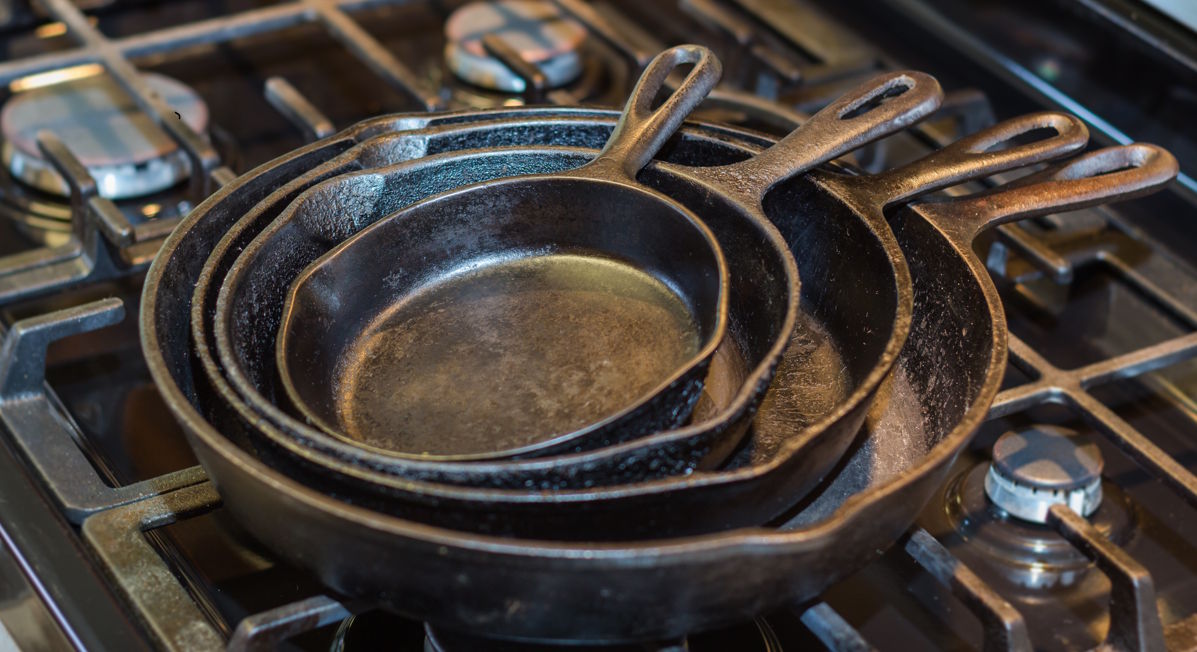
At Queen City Forging, we frequently work with electrical steel and silicon iron to create parts that meet our clients’ specifications for permeability and remanence.
Nonferrous Metals
Definition and Composition
Nonferrous metals do not contain iron. They are typically more resistant to corrosion and lighter than ferrous metals, making them suitable for a wide range of applications.
Characteristics
- Corrosion Resistance: Nonferrous metals are generally more resistant to rust and corrosion, which is beneficial for use in harsh environments.
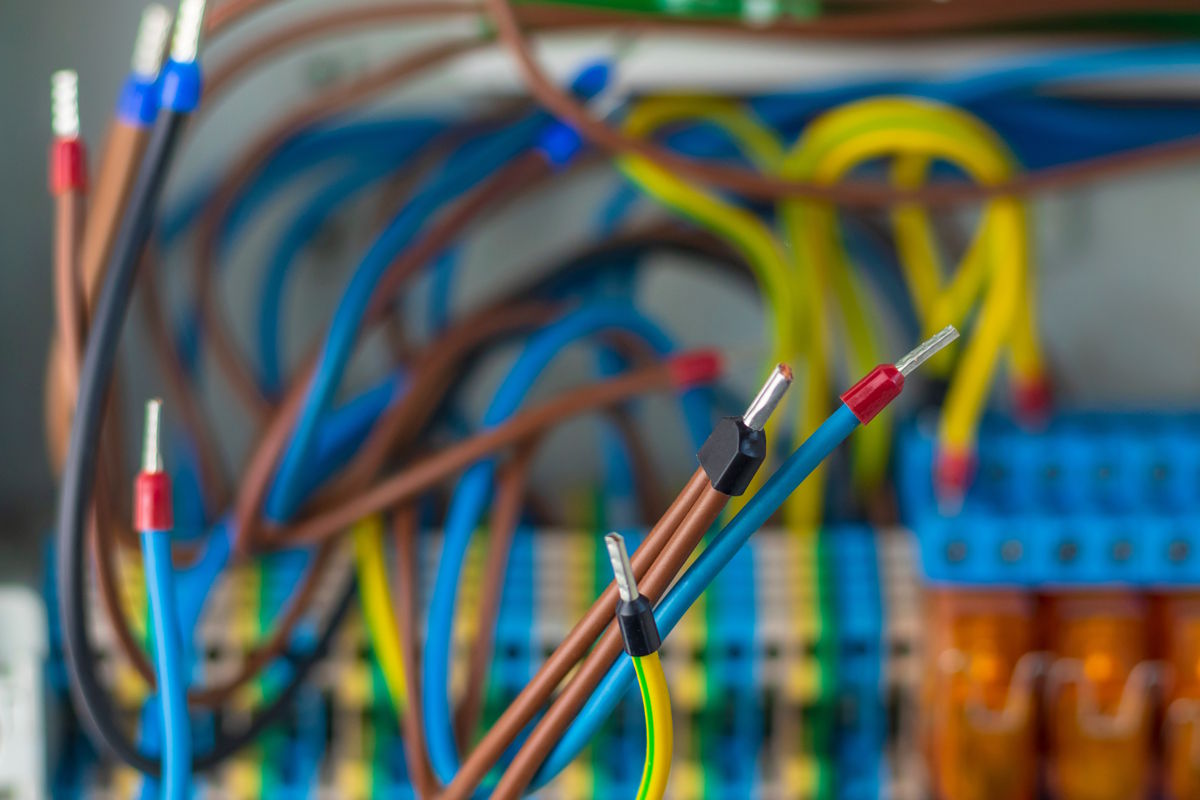
- Non-Magnetic Properties: Most nonferrous metals are non-magnetic, which is ideal for electronic and wiring applications.
- Lightweight: These metals are often lighter than ferrous metals, providing advantages in applications where weight is a concern, such as in aerospace and automotive industries.
Examples and Uses
- Aluminum: Known for its light weight and high corrosion resistance, aluminum is used in aircraft, automotive parts, packaging, and kitchen utensils.
- Copper: Highly conductive and corrosion-resistant, copper is essential in electrical wiring, plumbing, and electronics. Alloys like brass (copper and zinc) and bronze (copper and tin) are used in musical instruments, coins, and decorative items.
- Zinc: Zinc is used for galvanizing steel to prevent rust and in die-casting, batteries, and alloys like brass.
- Lead: With its high density and corrosion resistance, lead is used in batteries, radiation shielding, and cable sheathing.
- Titanium: Titanium is known for its high strength-to-weight ratio and corrosion resistance, making it ideal for aerospace, medical implants, and sporting equipment.
At Queen City Forging, we use nonferrous metals like aluminum and copper for clients who need lightweight and corrosion-resistant parts.
Applications and Industry Relevance
Construction and Infrastructure
Ferrous metals like steel and cast iron are foundational in building infrastructure due to their strength and durability. Nonferrous metals like aluminum and copper are also used in construction for wiring, plumbing, and exterior facades due to their corrosion resistance and light weight.
Automotive and Aerospace
Both ferrous and nonferrous metals are essential in the automotive and aerospace industries. Steel is used for car frames and aircraft structures, while aluminum is used extensively in aircraft and high-performance vehicles to improve fuel efficiency.
Electronics and Electrical
Nonferrous metals like copper and aluminum are crucial in the electronics industry. Copper’s excellent electrical conductivity makes it the preferred choice for wiring and electronic components. Aluminum is used in electronics for its light weight and thermal conductivity.
Consumer Goods
In everyday items, nonferrous metals are often preferred due to their resistance to rust and attractive appearance. Aluminum is used in beverage cans and kitchen utensils, while stainless steel (a corrosion-resistant ferrous metal) is popular in appliances and cutlery.
Understanding the differences between ferrous and nonferrous metals is essential for selecting the right materials for various applications. Ferrous metals, with their strength and magnetic properties, are indispensable in construction and heavy machinery, while nonferrous metals, with their corrosion resistance and light weight, are crucial in electronics, aerospace, and many consumer products.
Each type of metal has unique properties that make it suitable for specific uses, highlighting the importance of material science in industrial and technological advancements.
At Queen City Forging, this knowledge helps us create high-quality parts tailored to our clients’ diverse needs.
FAQs: Forging Ferrous and Non-Ferrous Metals
Filed under: Forging Materials, Top Forging Questions, Forging Innovation, Forging Benefits