

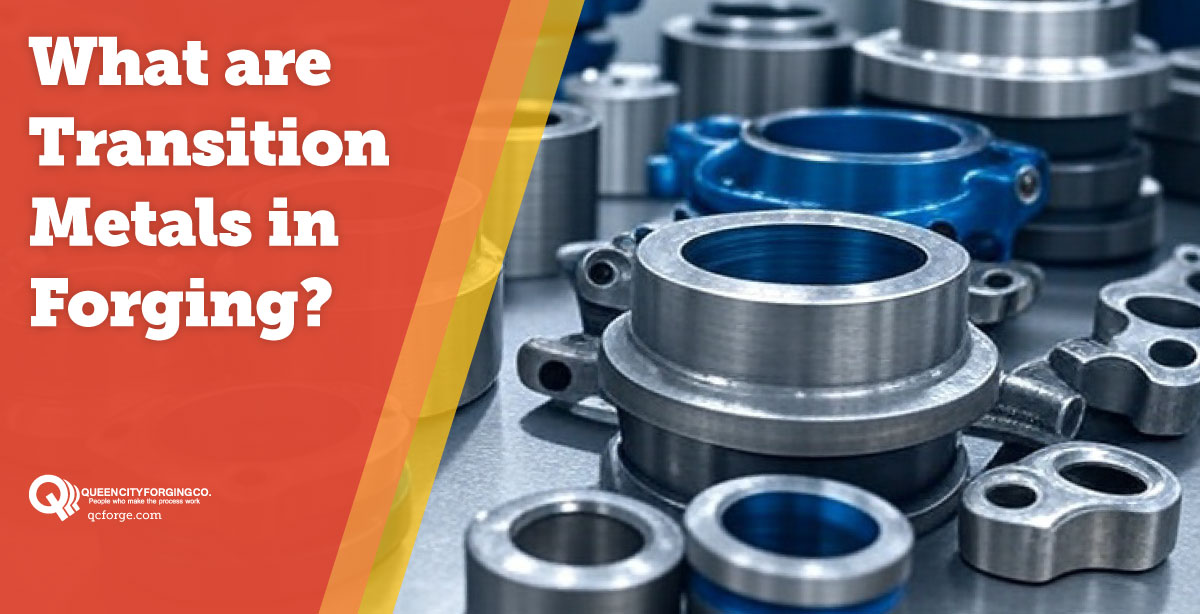
In the context of forging, transition metals play a significant role due to their unique properties, which make them ideal for creating strong and durable materials.
Transition metals are elements found in the d-block of the periodic table, specifically groups 3 through 12. Examples include:
- Titanium
- Vanadium
- Chromium
- Manganese
- Cobalt
- Nickel
- Molybdenum
- Tantalum
- Tungsten
Transition metals are very strong, durable, malleable, and corrosion resistant. They are characterized by the presence of unfilled d-orbitals, which allow them to form various oxidation states and complex ions. In the context of forging, transition metals play a significant role due to their unique properties, which make them ideal for creating strong and durable materials.
Key Properties of Transition Metals
Strength and Durability
Transition metals typically have high melting points and are very strong, making them excellent choices for forging operations where durability is essential.
Ductility and Malleability
These metals are ductile and malleable. This allows them to be shaped and formed into complex structures without breaking.
Corrosion Resistance
Many transition metals, like stainless steel (which contains chromium and nickel), are resistant to corrosion. This makes them ideal for applications where longevity and exposure to the elements are concerns.
Hardness
Transition metals can be heat-treated to improve their hardness. This is a valuable trait in forging tools and other applications that require wear resistance.
Common Transition Metals Used in Forging
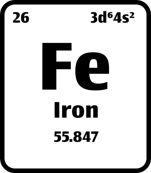
Iron (Fe)
Iron is the most commonly forged transition metal. It is used in various forms such as carbon steel, alloy steel, and stainless steel. Additionally, alloying elements like carbon, manganese, chromium, and nickel can enhance its properties.
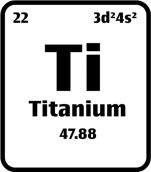
Titanium (Ti)
Known for its high strength-to-weight ratio and excellent corrosion resistance, titanium is used in aerospace and high-performance applications.
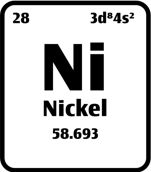
Nickel (Ni)
Often used in superalloys, nickel enhances corrosion resistance and heat resistance in forged components.
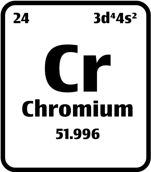
Chromium (Cr)
Chromium can be added to steel to improve hardness and corrosion resistance, forming stainless steel.
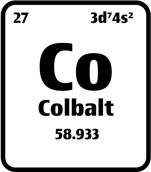
Cobalt (Co)
Cobalt is used in high-temperature applications due to its ability to retain strength at elevated temperatures.
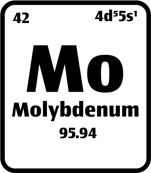
Molybdenum (Mo)
Molybdenum increases strength, hardness, and resistance to wear and corrosion when added to steel.
Applications
- Tools and Machinery: Transition metals are used in the production of tools, machinery parts, and components that require high strength and durability.
- Automotive and Aerospace: Due to their strength and lightweight properties, transition metals are often used in the manufacture of engine parts, structural components, and other critical parts.
- Construction: Structural steels often contain transition metals to improve strength and corrosion resistance for building frameworks and infrastructure.

Recap
In summary, transition metals are integral to forging because their properties allow for the creation of strong, durable, and versatile components essential in a wide range of industries.
🔍 Key Properties
- 💪 Strength and Durability
- 🔧 Ductility and Malleability
- 🛡️ Corrosion Resistance
- 🪨 Hardness
🚀 Applications
- 🛠️ Tools and Machinery
- ✈️ Automotive and Aerospace
- 🏗️ Construction
Filed under: Forging Materials, Forging Innovation