

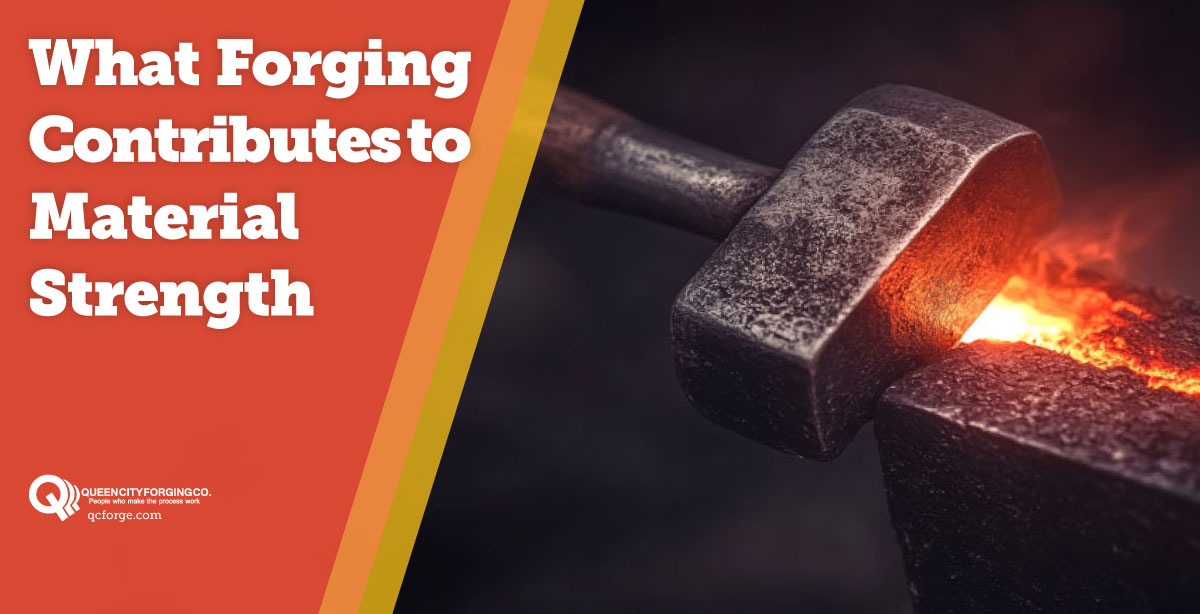
The strength of a forged material is influenced by several key attributes, which are enhanced through the forging process. These attributes contribute to the overall mechanical properties of the material, making forged components stronger and more durable than those made by other manufacturing methods. Here are the primary attributes that contribute to the strength of forged materials:
Grain Structure Refinement
- Grain Flow: Forging aligns the grain structure of the metal in the direction of the applied force. This grain flow increases the material’s strength and toughness by creating a more uniform and continuous structure that resists deformation.
- Grain Size: The forging process often refines the grain size, creating smaller grains. Finer grains typically lead to improved strength and toughness, as they provide more grain boundaries to impede the movement of dislocations, which are defects in the crystal structure that can lead to material failure.
Work Hardening (Strain Hardening)
- Deformation Process: During forging, the material is plastically deformed, which increases dislocation density within the metal’s crystal structure. This dislocation density hinders further deformation, resulting in a material that is harder and stronger.
- Controlled Strain: The extent of work hardening can be controlled by adjusting the degree of deformation and the temperature during forging, allowing for the optimization of the material’s mechanical properties.
Directional Strength
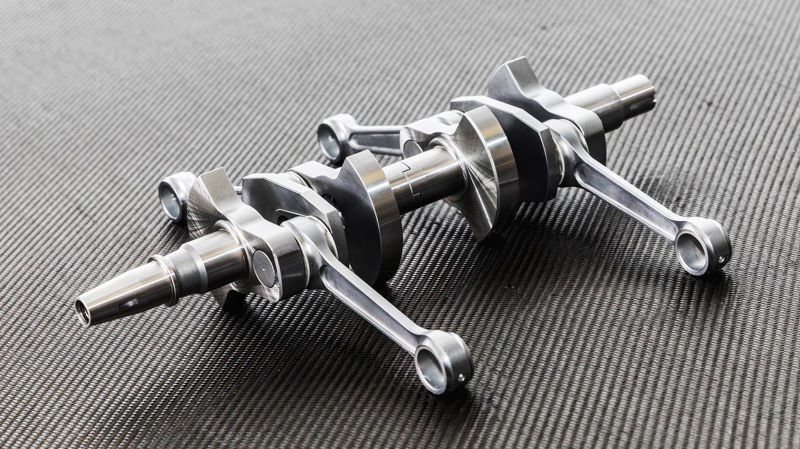
- Anisotropy: Due to the grain alignment in the forging process, the material exhibits higher strength and toughness along the direction of the grain flow. This anisotropy (directional dependence of properties) is particularly beneficial in applications where components are subject to specific directional loads.
- Resistance to Cracking: The aligned grain structure also improves resistance to crack propagation, especially in the direction perpendicular to the grain flow.
Elimination of Internal Defects
- Reduction of Voids: Forging compresses the material, closing any internal voids or cavities that may be present in the raw material. This reduces the likelihood of defects such as porosity, which can weaken the material.
- Homogeneous Structure: The forging process promotes a more uniform material structure, reducing the presence of inclusions or segregations that can act as stress concentrators and lead to failure.
Heat Treatment Compatibility
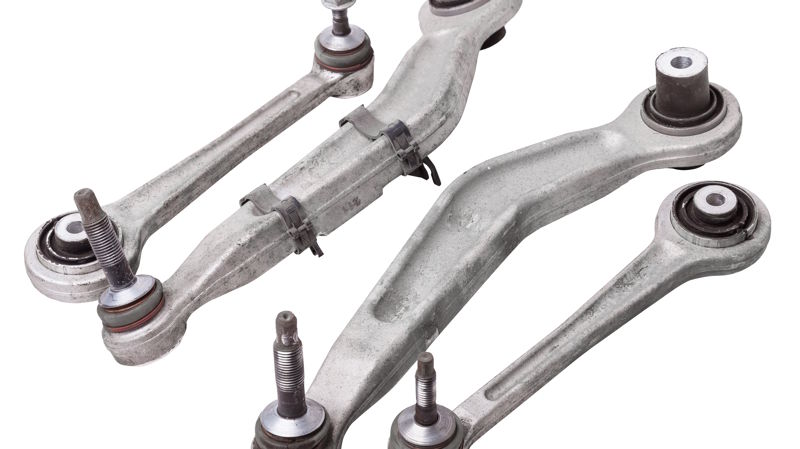
- Post-Forging Heat Treatments: Forged materials often undergo heat treatments like quenching, tempering, or annealing to further enhance their mechanical properties. These treatments can increase hardness, improve ductility, and relieve internal stresses, contributing to overall strength.
- Tailored Properties: The combination of forging and heat treatment allows for precise control over the material’s properties, optimizing it for specific applications.
Material Density
- High Density: The forging process increases the density of the material by compressing it and eliminating any porosity. A higher density generally correlates with improved mechanical properties, including strength, hardness, and resistance to impact.
- Uniform Density: Uniform density throughout the component ensures consistent performance under load, reducing the risk of weak spots that could lead to failure.
Material Toughness
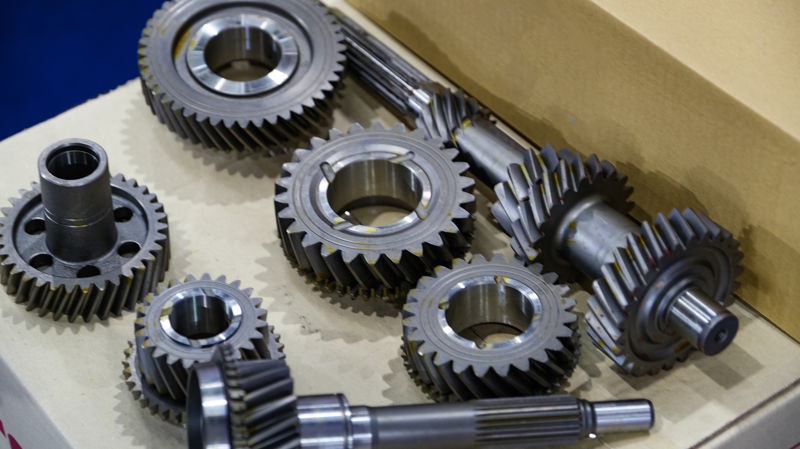
- Impact Resistance: The forging process enhances the material’s toughness, which is its ability to absorb energy and deform plastically before fracturing. This is especially important in applications where the material is subject to sudden impacts or dynamic loads.
- Temperature Tolerance: Forged materials typically maintain their toughness over a wider range of temperatures, making them suitable for both high- and low-temperature applications.
Surface Finish and Quality
- Surface Integrity: Forging can produce components with excellent surface quality, which is important for fatigue strength. A smooth, defect-free surface reduces the risk of crack initiation, contributing to the overall strength and longevity of the component.
- Improved Fatigue Resistance: A high-quality surface finish reduces stress concentrations at the surface, which are often the starting points for fatigue cracks.
Forged for Strength
The strength of a forged material is a result of several key attributes enhanced through the forging process, including refined grain structure, work hardening, directional strength, elimination of internal defects, and increased material density. Additionally, the compatibility of forged materials with heat treatment processes and their improved surface quality contribute to their superior mechanical properties, making forging a preferred method for producing high-strength components.
Filed under: Forging Process, Forging Benefits, Forging Materials, Extend Life of Parts