

Alloy steel is a fascinating and versatile material that plays a crucial role in various industries. But what exactly is alloy steel, and why is it so important? Let’s dive into the world of alloy steel and explore its unique properties and applications.
Understanding Alloy Steel
At its core, alloy steel is a type of steel that has been combined with one or more alloying elements to enhance its properties. These elements can include metals like chromium, nickel, manganese, and vanadium, among others. The addition of these elements can significantly improve the steel’s strength, hardness, corrosion resistance, and other mechanical properties.

The Magic of Alloying Elements
Each alloying element brings its own set of benefits to the steel. For example:
- Chromium: Increases hardness and corrosion resistance, making it ideal for stainless steel.
- Nickel: Enhances toughness and strength, often used in high-performance applications.
- Manganese: Improves wear resistance and hardenability, commonly found in construction materials.
- Vanadium: Increases strength and toughness, used in tools and high-stress components.
Types of Alloy Steel
Alloy steels can be broadly categorized into two types:
Low-Alloy Steel
Contains a lower percentage of alloying elements (typically less than 5%).
It offers a good balance of strength, toughness, and weldability, making it suitable for structural applications.
High-Alloy Steel
Contains a higher percentage of alloying elements (more than 5%).
This type of steel is known for its exceptional performance in extreme conditions, such as high temperatures and corrosive environments.
Applications of Alloy Steel
The versatility of alloy steel makes it indispensable in various industries, including:
- Automotive: Used in the manufacturing of engine components, gears, and suspension systems.
- Construction: Essential for building bridges, skyscrapers, and other infrastructure projects.
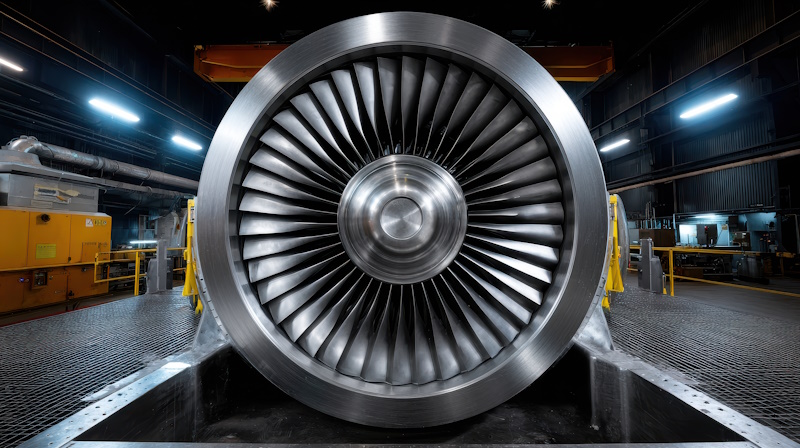
- Aerospace: Critical for aircraft parts, landing gear, and turbine blades.
- Tooling: Ideal for making cutting tools, dies, and molds due to its hardness and wear resistance.
Fun Fact: The History of Alloy Steel
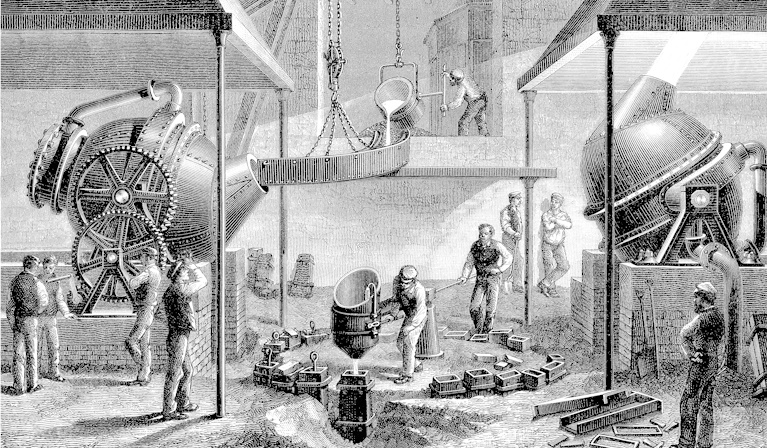
Did you know that the development of alloy steel dates back to the late 19th century? The introduction of chromium and nickel into steel revolutionized the industry, leading to the creation of stainless steel and other high-performance alloys. This innovation paved the way for modern engineering and manufacturing.
Alloy Steel is Everywhere!
Alloy steel is a remarkable material that combines the best of both worlds: the strength and durability of steel with the enhanced properties of alloying elements. Its wide range of applications and exceptional performance make it a cornerstone of modern industry. Whether you’re driving a car, flying in an airplane, or using a high-quality tool, alloy steel is likely playing a crucial role in your everyday life.
So, the next time you encounter a piece of alloy steel, take a moment to appreciate the incredible science and engineering that went into creating this versatile material. It’s truly a testament to human ingenuity and the power of innovation.
For more information on alloy steel and its applications, feel free to reach out to us at Queen City Forging. We’re always here to help you understand the fascinating world of materials science!
Filed under: Forging Materials, Top Forging Questions