

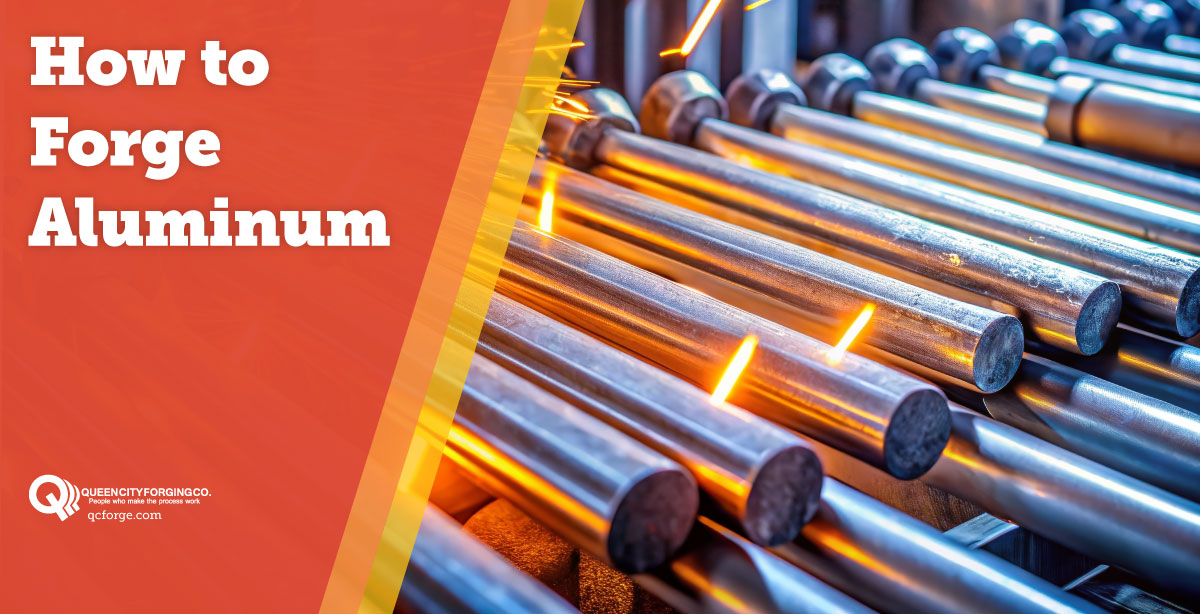
The aluminum forging process involves shaping aluminum alloys under high pressure, typically at elevated temperatures, to produce strong, durable components. Aluminum is much more malleable than steel, making it easier to forge. However, it requires careful temperature control to avoid defects. In the guide below, we’ll walk you through each step of how to forge aluminum successfully.
1. Choosing the Right Aluminum Alloy
Common Alloys
Popular aluminum alloys for forging include:
- 6061
- 7075
- 2024
These are chosen due to their good balance of strength, machinability, and corrosion resistance.
Consideration
Different alloys have varying properties, so the choice depends on the specific requirements of the forged part (e.g., strength, corrosion resistance, weight).
2. Preparation
Material Sizing
Start with an aluminum billet or barstock that is appropriately sized for the intended forged part.
Heating the Material
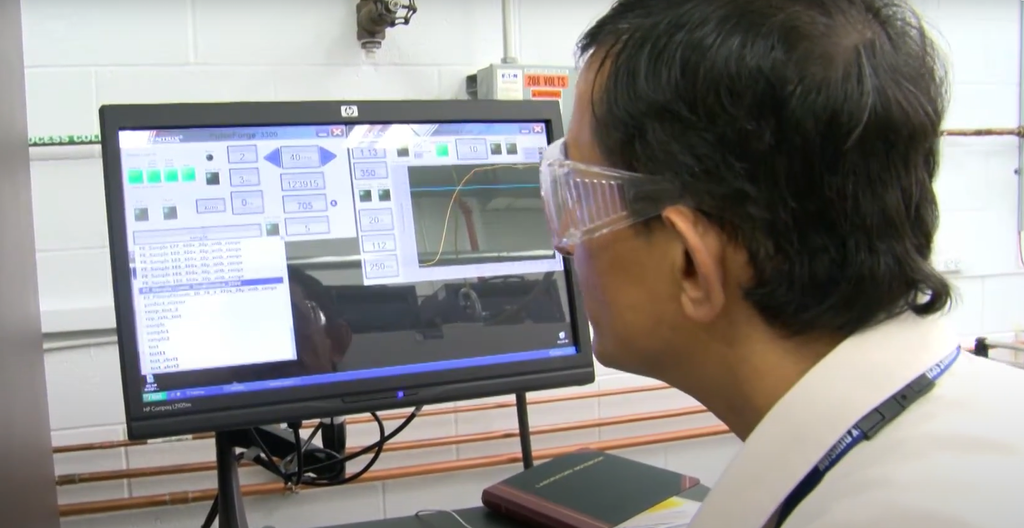
Aluminum should be heated to the appropriate forging temperature, typically between 370°C to 520°C (700°F to 968°F). The exact temperature depends on the alloy.
- 6061 Aluminum: Heat to around 415°C (780°F).
- 7075 Aluminum: Heat to around 450°C (842°F).
Avoid Overheating
Overheating can cause grain growth and weaken the material, while underheating can make the metal too hard to forge effectively.
3. Aluminum Forging Process
Die Forging
Use preheated dies to shape the aluminum. Dies can be open (hammer forging) or closed (impression forging), depending on the complexity and precision required.
The aluminum billet is placed in the die, and pressure is applied through mechanical or hydraulic presses to shape the metal.

Temperature Control
It’s important to maintain the appropriate temperature throughout the aluminum forging process. Reheating may be necessary if the material cools too much during the operation.
Multiple Forging Steps
For complex parts, multiple forging operations with intermediate reheating may be required to achieve the final shape.
4. Post-Forging Treatments
Heat Treatment
Depending on the alloy, post-forging heat treatments like solution heat treatment and aging may be required to achieve the desired mechanical properties.
- Solution Heat Treatment: Heat the forged part to a high temperature, hold it there to dissolve alloying elements, then quench it rapidly to lock these elements in place.
- Aging: Aging (natural or artificial) allows the alloying elements to precipitate out, hardening the material.
Quenching
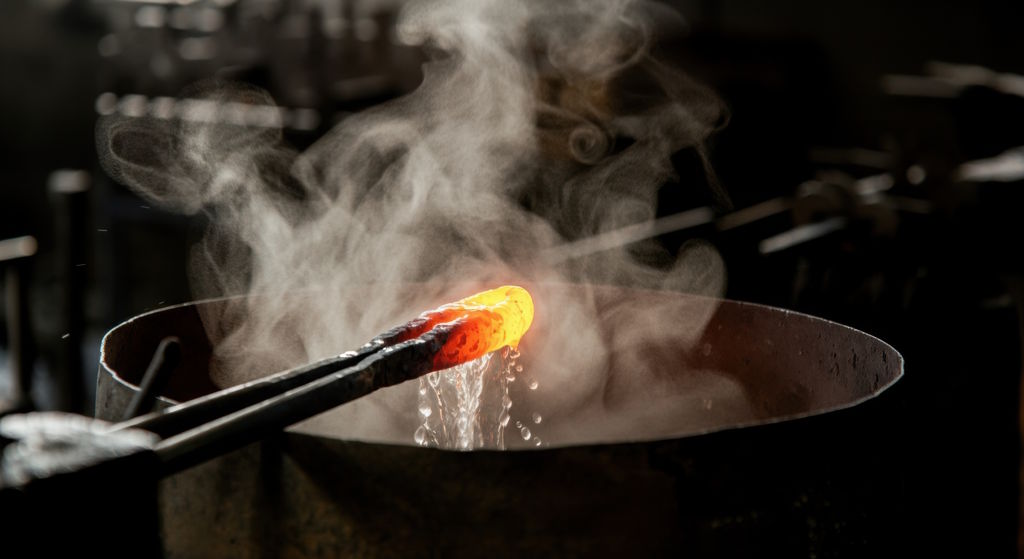
For some alloys, quenching in water or another medium may be required immediately after forging to lock in certain properties.
Surface Treatment
Depending on the application, the forged aluminum part may undergo additional treatments such as anodizing, painting, or coating for enhanced corrosion resistance and appearance.
5. Inspection and Finishing
Inspection
After the aluminum forging process is complete, it’s important to inspect the part for defects such as:
- Cracks
- Warping
- Incomplete filling of the die
Machining and Finishing
Machining operations may be necessary to achieve final dimensions or surface finish. Finishing processes like grinding or polishing may also be applied.
In Summary
Forging aluminum requires precise temperature control and appropriate alloy selection. The process typically involves heating the aluminum to a specific temperature, forging it using preheated dies, and possibly applying post-forging heat treatments to achieve the desired mechanical properties. The result is a strong, durable component with excellent mechanical properties suitable for various applications.
Filed under: Forging Materials, Forging Parts, Forging Benefits