

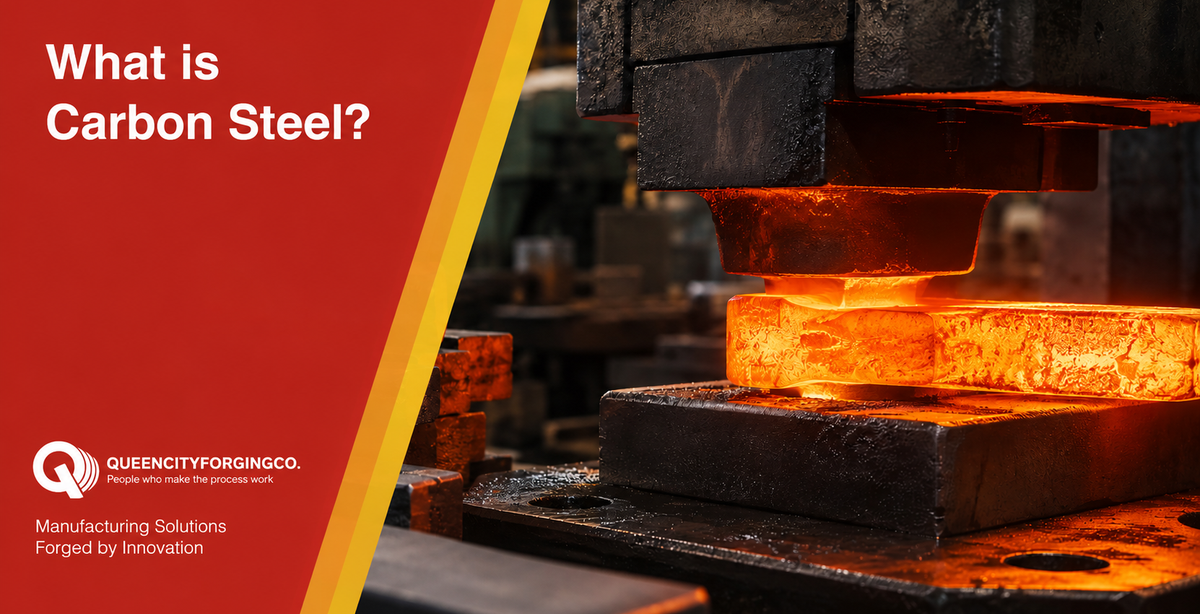
At Queen City Forging, we’ve spent over a century mastering the art of metal forging, and one material we frequently work with is carbon steel. Known for its strength, versatility, and affordability, carbon steel is a cornerstone of industries from construction to aerospace. But what exactly is carbon steel, and why is it so widely used? Let’s explore the composition, properties, applications, and benefits of carbon steel, drawing on our expertise and real-world experience.
What is Carbon Steel?
Carbon steel is an alloy primarily made of iron and carbon, with the carbon content typically ranging from 0.05% to 2.1% by weight. Unlike stainless steel, which includes chromium for corrosion resistance, carbon steel contains minimal alloying elements, making it a straightforward, cost-effective choice. The carbon content determines its strength, hardness, and ductility, allowing it to be tailored for diverse applications.
Carbon steel is categorized into three main types based on carbon content:
- Low Carbon Steel (Mild Steel): Up to 0.3% carbon. Highly ductile, easy to weld, and ideal for structural applications.
- Medium Carbon Steel: 0.3% to 0.6% carbon. Balances strength and ductility, often used in machinery and automotive parts.
- High Carbon Steel: 0.6% to 2.1% carbon. Extremely strong and hard but less ductile, perfect for tools and cutting edges.
How is Carbon Steel Made?
Carbon steel is produced through a refining process that controls the carbon content in iron. Here’s a simplified overview:
- Iron Ore Refining: Iron is extracted from ore in a blast furnace, producing molten iron.
- Steelmaking: The iron is combined with carbon in a basic oxygen furnace or electric arc furnace, where impurities are removed, and carbon levels are adjusted.
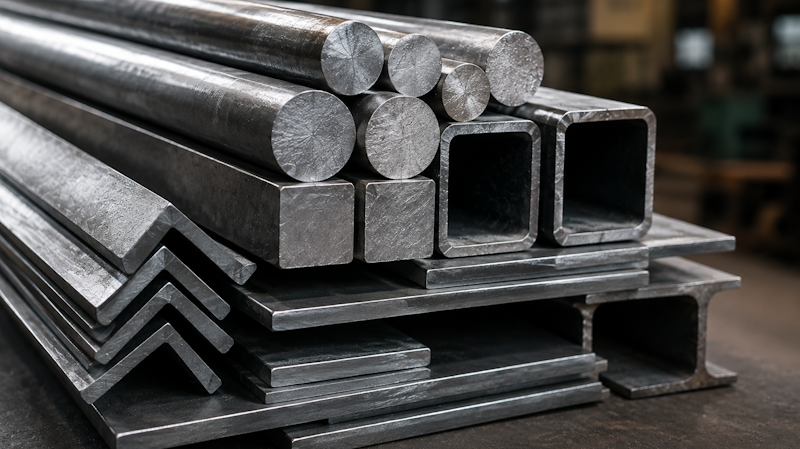
- Forming: The molten steel is cast into slabs, bars, or sheets, then shaped through forging, rolling, or machining.
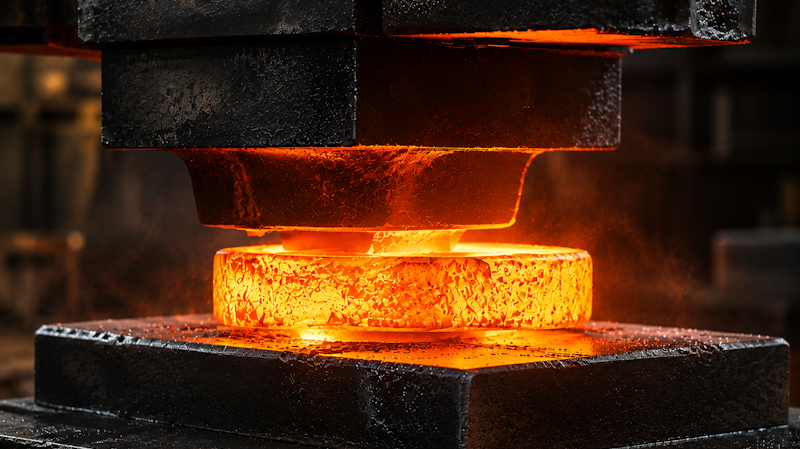
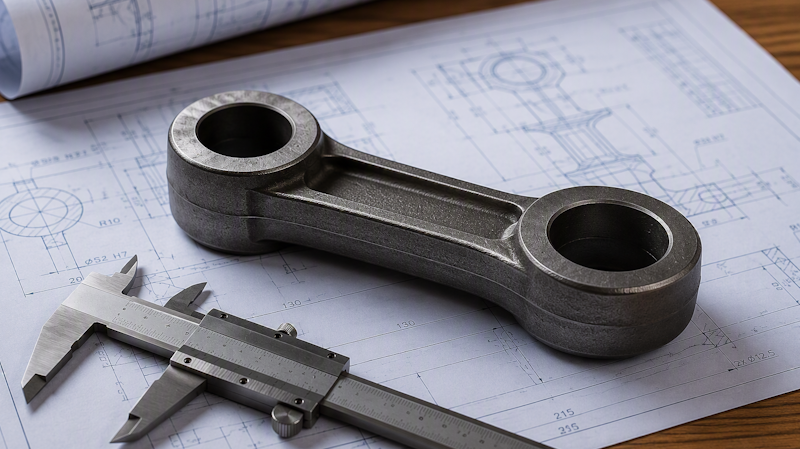
At Queen City Forging, we take carbon steel to the next level by forging it into precision components, enhancing its strength and durability through controlled heating and shaping.
Why Choose Carbon Steel?
Carbon steel’s popularity stems from its unique combination of properties, making it a go-to material for countless applications. Here are the key benefits, grounded in our work at Queen City Forging:
- Strength and Hardness: Higher carbon content increases strength, making it ideal for heavy-duty applications like machinery and tools.
- Versatility: With varying carbon levels, carbon steel can be tailored for everything from flexible wires to razor-sharp blades.
- Affordability: Compared to stainless steel or specialty alloys, carbon steel is cost-effective, offering high performance on a budget.
- Machinability: Low and medium carbon steels are easy to cut, weld, and shape, streamlining manufacturing processes.
- Recyclability: Carbon steel is fully recyclable, supporting sustainable practices in industries like construction and manufacturing.
Common Applications of Carbon Steel
Carbon steel’s adaptability makes it a staple across industries. Here are some real-world uses:
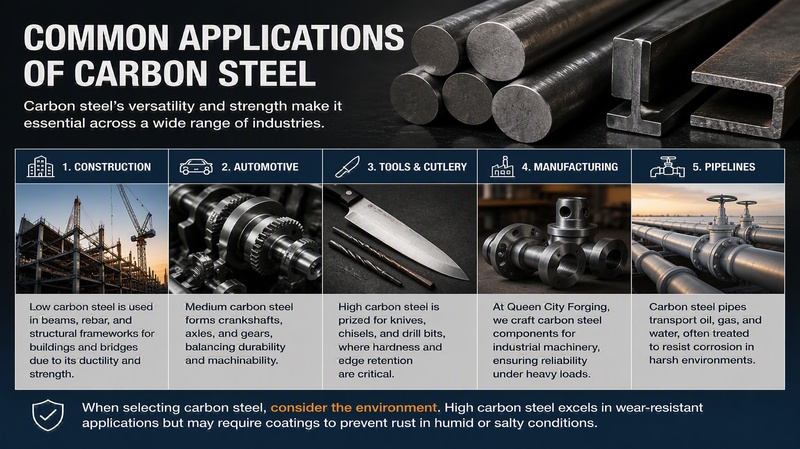
- Construction: Low carbon steel is used in beams, rebar, and structural frameworks for buildings and bridges due to its ductility and strength.
- Automotive: Medium carbon steel forms crankshafts, axles, and gears, balancing durability and machinability.
- Tools and Cutlery: High carbon steel is prized for knives, chisels, and drill bits, where hardness and edge retention are critical.
- Manufacturing: At Queen City Forging, we craft carbon steel components for industrial machinery, ensuring reliability under heavy loads.
- Pipelines: Carbon steel pipes transport oil, gas, and water, often treated to resist corrosion in harsh environments.
When selecting carbon steel, consider the environment. High carbon steel excels in wear-resistant applications but may require coatings to prevent rust in humid or salty conditions.
Carbon Steel vs. Other Materials
How does carbon steel compare to alternatives like stainless steel or aluminum? Let’s break it down:
- Carbon Steel vs. Stainless Steel: Carbon steel is stronger and cheaper but prone to rust without coatings. Stainless steel resists corrosion but is pricier and less strong in high-carbon equivalents.
- Carbon Steel vs. Aluminum: Aluminum is lighter and corrosion-resistant but lacks the strength of steel. Carbon steel is preferred for structural and high-strength applications.
- Carbon Steel vs. Alloy Steel: Alloy steels include elements like chromium or nickel for enhanced properties, but carbon steel’s simplicity makes it more affordable for many uses.
For projects needing strength and cost-efficiency, carbon steel is often the best choice, as we’ve seen in our forging work for heavy machinery and rail systems.
Challenges of Carbon Steel
While carbon steel is versatile, it has limitations:
- Corrosion: Without coatings like galvanization or paint, carbon steel rusts when exposed to moisture.
- Brittleness: High carbon steel can become brittle, making it less suitable for applications requiring flexibility.
- Maintenance: Regular maintenance, such as applying protective coatings, is needed in corrosive environments.
At Queen City Forging, we address these challenges by recommending treatments like galvanization, plating, and other coatings, or different heat treatments to enhance carbon steel’s performance, ensuring our clients get the most out of the material.
Tips for Working with Carbon Steel
If you’re considering carbon steel for your project, here are some best practices:
- Protect Against Corrosion: Apply coatings like zinc (galvanization) or paint for outdoor or humid environments.
- Choose the Right Grade: Match the carbon content to your needs—low for welding, high for hardness.
- Heat Treatment: Use processes like quenching or tempering to enhance strength or reduce brittleness, as we do in some of our forging operations.
- Partner with Experts: Work with experienced manufacturers like Queen City Forging to ensure your carbon steel components meet industry standards.
Why Trust Queen City Forging?
With over 140 years of metal forging experience, Queen City Forging is a trusted leader in crafting high-quality carbon steel components. Our team of metallurgists, engineers, and craftsmen brings deep expertise to every project, ensuring precision and durability.
Ready to Leverage Carbon Steel for Your Project?
Carbon steel’s strength, versatility, and affordability make it a top choice for projects big and small. Whether you’re designing machinery, or crafting tools, carbon steel can deliver the performance you need.
At Queen City Forging, we’re passionate about turning raw materials into solutions. Contact us today to explore how carbon steel can elevate your next project or learn more about our custom forging capabilities. Let’s forge something extraordinary, together.
Filed under: Forging Materials, Forging Benefits, Types of Forging