

At Queen City Forging, we’ve been forging steel components for over 140 years, serving multiple with precision and expertise. One question we hear is: Is all steel magnetic? The answer isn’t a simple yes or no—it depends on the type of steel, its composition, and how it’s processed. In this blog, we’ll dive into the science behind steel’s magnetic properties, explore why some steels attract magnets while others don’t, and highlight real-world applications.
What Makes a Material Magnetic?
To understand whether steel is magnetic, let’s start with the basics of magnetism. Magnetism in metals comes from their atomic structure, specifically the alignment of electrons in their crystal lattice. Materials like iron, nickel, and cobalt are ferromagnetic, meaning they can be strongly magnetized due to their ability to form magnetic domains—regions where electron spins align to create a magnetic field.
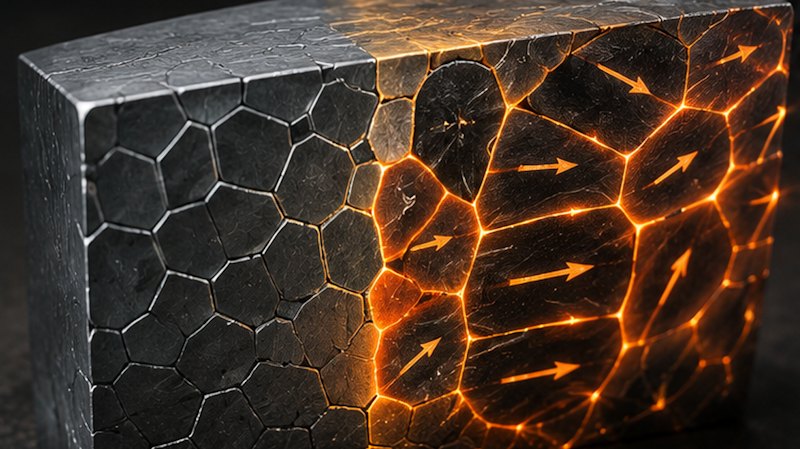
Steel is primarily an alloy of iron and carbon, often with other elements like chromium or nickel. Since iron is ferromagnetic, many steels inherit magnetic properties, but the degree of magnetism depends on the alloy’s composition and structure.
Is Steel Magnetic? It Depends on the Type
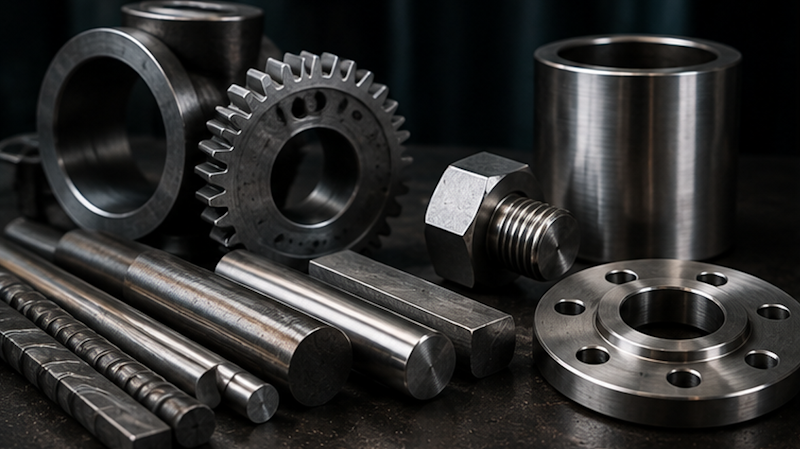
Not all steels are created equal when it comes to magnetism. Let’s break down the main types of steel and their magnetic properties:
CARBON STEEL
- Magnetic? Yes. Carbon steel, made of iron and carbon with minimal alloying elements, retains the ferromagnetic properties of iron. Low, medium, and high carbon steels are all magnetic.
- Why? The iron-heavy composition and crystalline structure (ferrite or martensite) allow magnetic domains to form.
- Examples: Tools, structural beams, and machinery parts forged at Queen City Forging.
STAINLESS STEEL
- Magnetic? Sometimes. Stainless steel’s magnetism depends on its alloy composition and crystal structure:
- Ferritic Stainless Steel (e.g., 430): Magnetic due to a ferrite structure similar to carbon steel.
- Martensitic Stainless Steel (e.g., 410): Magnetic due to a martensite structure formed during heat treatment.
- Austenitic Stainless Steel (e.g., 304, 316): Non-magnetic in most cases due to a face-centered cubic (austenite) structure, though cold working can induce slight magnetism.
- Why? Chromium and nickel in austenitic grades disrupt the magnetic domains, reducing or eliminating magnetism.
- Examples: Non-magnetic kitchen appliances (304) vs. magnetic stainless fasteners (430).
ALLOY STEEL
- Magnetic? Usually. Alloy steels, which include elements like molybdenum or vanadium, are typically magnetic unless high levels of nickel or manganese alter the structure.
- Why? The iron base and ferrite/martensite structures maintain ferromagnetic properties.
- Examples: Gears and shafts forged for industrial machinery.
TOOL STEEL
- Magnetic? Yes. Tool steels, designed for hardness and wear resistance, are magnetic due to their iron-based composition.
- Why? The high carbon and alloying elements don’t significantly disrupt iron’s ferromagnetic structure.
- Examples: Cutting tools and dies.
Why Does Magnetism Matter in Steel?
Magnetism in steel isn’t just a cool science fact—it has practical implications across industries. Here’s why it matters, based on our experience at Queen City Forging:
- Manufacturing: Magnetic carbon steels are easily handled by magnetic cranes or chucks during forging and machining, streamlining production. Non-magnetic austenitic stainless steels require alternative handling methods.
- Quality Control: Magnetism can help identify steel grades. For example, a non-magnetic stainless steel part likely indicates an austenitic grade, aiding material verification.
- Applications: Magnetic steels are used in motors, transformers, and magnetic shielding, while non-magnetic steels are critical for MRI machines and electronics where magnetic interference is a concern.
- Aesthetics and Function: In consumer products like appliances, non-magnetic stainless steel (e.g., 304) is chosen for its sleek, non-magnetic surface which, by the way, doesn’t attract fridge magnets.
At Queen City Forging, we’ve forged magnetic silicon iron components for rail systems, where controlled magnetic properties are essential, and non-magnetic stainless steel fittings for medical equipment, where avoiding magnetic interference is critical.
Factors That Affect Steel’s Magnetism
Several factors influence whether a steel is magnetic and to what degree:
- Alloy Composition: High nickel or manganese content, as in austenitic stainless steel, reduces magnetism. Chromium alone, as in ferritic stainless, preserves it.
- Crystal Structure: Ferrite and martensite structures are magnetic, while austenite is not. Heat treatment or cold working can alter the structure, affecting magnetism.
- Processing: Cold working austenitic stainless steel (e.g., bending or rolling) can induce partial magnetism by transforming austenite to martensite.
- Temperature: Heating above the temperature know as the “Curie” temperature can disrupt magnetic domains, temporarily reducing magnetism until the steel cools.
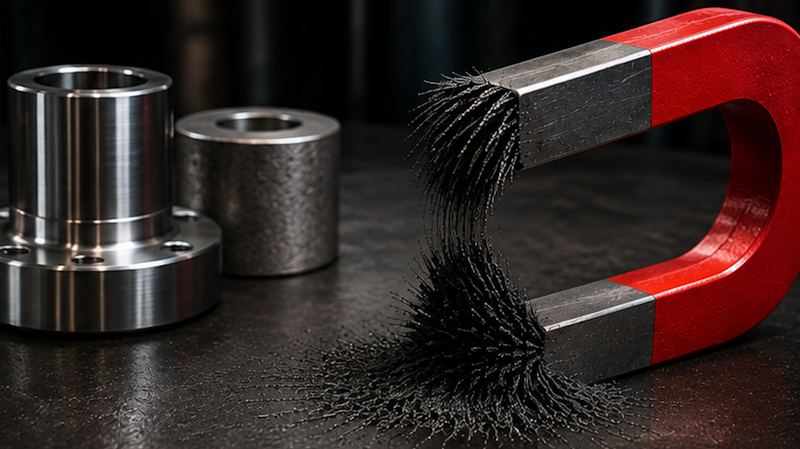
If you’re unsure about a steel’s magnetism, test it with a simple magnet or consult a metallurgist. At Queen City Forging, we use precise material testing to ensure the right steel for each project.
Common Applications of Magnetic and Non-Magnetic Steel
Steel’s magnetic properties dictate its use in various applications:
Magnetic Steel (Carbon, Ferritic, Martensitic):
- Industrial machinery: Gears, shafts, and tools that benefit from magnetic handling.
- Electrical equipment: Transformer cores and motor components.
- Rail systems: Magnetic carbon steel forgings for couplings and fasteners, as produced by Queen City Forging.
Non-Magnetic Steel (Austenitic Stainless):
- Medical equipment: MRI-compatible tools and implants.
- Food processing: Non-magnetic stainless steel for hygienic, corrosion-resistant surfaces.
- Marine: Non-magnetic fittings to avoid compass interference.
We’ve seen magnetic carbon steel shine in heavy-duty rail components and non-magnetic stainless steel excel in precision medical fittings, showcasing the importance of matching magnetism to application.
How Queen City Forging Works with Magnetic and Non-Magnetic Steel
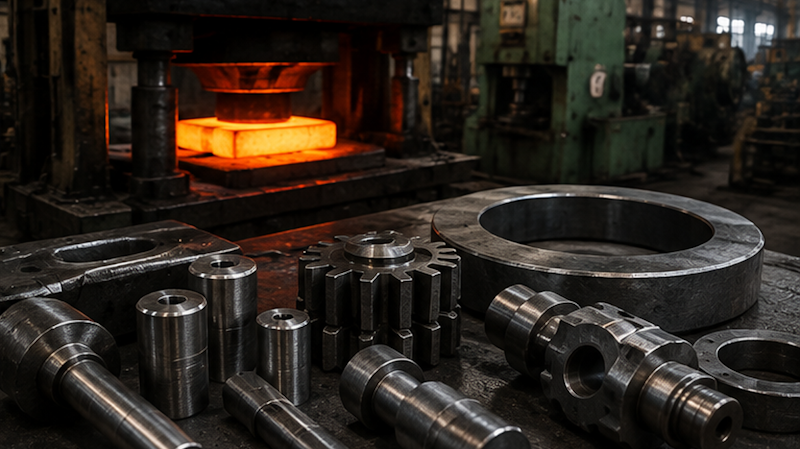
At Queen City Forging, we forge both magnetic and non-magnetic steels to meet diverse industry needs. Our closed-die forging process enhances the strength of carbon steel gears for rail systems, where magnetism aids production, and stainless steel fittings, where non-magnetic properties ensure performance. Our metallurgists select the right steel grade based on magnetic requirements, corrosion resistance, and strength, ensuring optimal results.
Tips for Working with Steel and Magnetism
If you’re selecting steel for a project, consider these best practices:
- Match Magnetism to Application: Use magnetic steels for motors or tools, non-magnetic for electronics or medical devices.
- Test Materials: A simple magnet test can help identify steel types, but lab analysis ensures accuracy.
- Consider Processing: Cold working or heat treatment can alter magnetism, so specify requirements early.
- Partner with Experts: Work with a trusted forger like Queen City Forging to select the right steel and ensure quality.
Ready to Explore Steel for Your Project?
Whether you need magnetic carbon steel for heavy-duty machinery or non-magnetic stainless steel for precision applications, Queen City Forging can help. Steel’s magnetic properties open a world of possibilities, and we’re here to guide you to the perfect solution.
Contact us today to discuss your project or learn more about our custom forging capabilities. Let’s forge something extraordinary, together.
Filed under: Forging Materials