

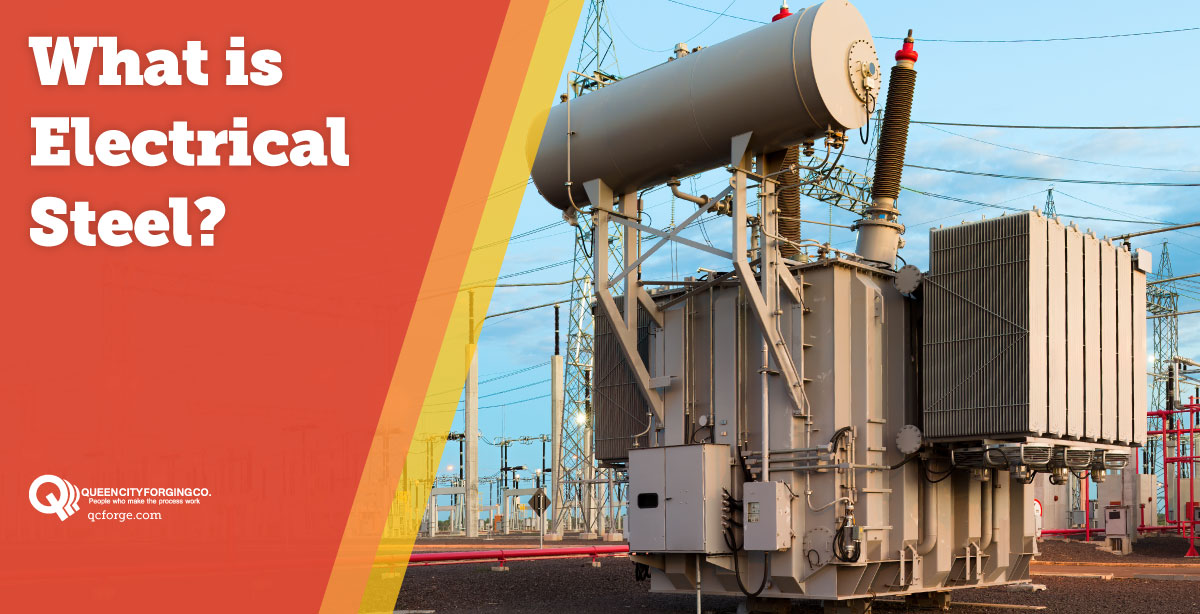
Electrical steel is a type of metal specially engineered to have superior magnetic properties. Also known as silicon steel or transformer steel, it is ideal for use in electrical and magnetic applications. It is a critical material in devices that rely on the efficient transmission and conversion of electrical energy, including:
- Transformers
- Electric motors
- Generators
- Inductors
- Relays
Learn more about the characteristics and applications of electrical steel below.
Key Characteristics of Electrical Steel
High Silicon Content
Electrical steel typically contains 1% to 6.5% silicon, which significantly improves its magnetic properties and reduces electrical losses (known as core losses or hysteresis losses). The silicon content helps reduce the steel’s electrical conductivity, thereby minimizing eddy currents, which are loops of electric current induced within the material by a changing magnetic field.
Magnetic Permeability
Electrical steel is designed to have high magnetic permeability, which means it can easily become magnetized and demagnetized. This property is crucial for efficient magnetic flux generation in transformers and motors.
Low Core Losses
Core losses in electrical steel occur due to hysteresis and eddy currents. The specific design of electrical steel, including the addition of silicon, aims to minimize these losses, making it more efficient in converting electrical energy into magnetic energy and vice versa.
Thin Laminations
Electrical steel is often manufactured in thin sheets or laminations. These laminations are stacked together and insulated from each other to further reduce eddy current losses. The thinner the laminations, the lower the eddy current losses.
Grain Orientation
There are two main types of electrical steel based on grain orientation:
- Grain-Oriented Electrical Steel (GOES): This type of steel has a specific grain structure that is aligned in the rolling direction, which enhances its magnetic properties in the direction of the grain. GOES is primarily used in transformers and large generators.
- Non-Grain-Oriented Electrical Steel (NGOES): This type has a random grain structure, making it suitable for applications where the magnetic field direction changes, such as in electric motors and smaller transformers.
Applications of Electrical Steel
Transformers
Electrical steel is the core material in transformers, where it helps in efficiently stepping up or stepping down voltages by minimizing energy losses.
Electric Motors
It is used in the stators and rotors of electric motors to maximize efficiency by reducing losses during the conversion of electrical energy to mechanical energy.
Generators
In generators, electrical steel helps convert mechanical energy into electrical energy with minimal losses, enhancing overall efficiency.
Inductors and Relays
Electrical steel is also used in inductors and relays, which are critical components in various electrical systems.
Summary
Electrical steel is a specialized type of steel with high silicon content and excellent magnetic properties. It is designed for use in electrical applications where efficiency and low energy loss are critical. It is available in both grain-oriented and non-grain-oriented forms, each suited to specific types of electrical equipment such as transformers, electric motors, and generators.
Filed under: Forging Materials, Silicon Iron Forgings, Forging Parts, Components