Forging vs Machined Steel Bar/Plates
QCForge2023-09-11T11:27:22-04:00Learn more about forging vs machined steel bar/plates. Forging tends to create stronger and relaible components by reforming the grain flow into the geometry.


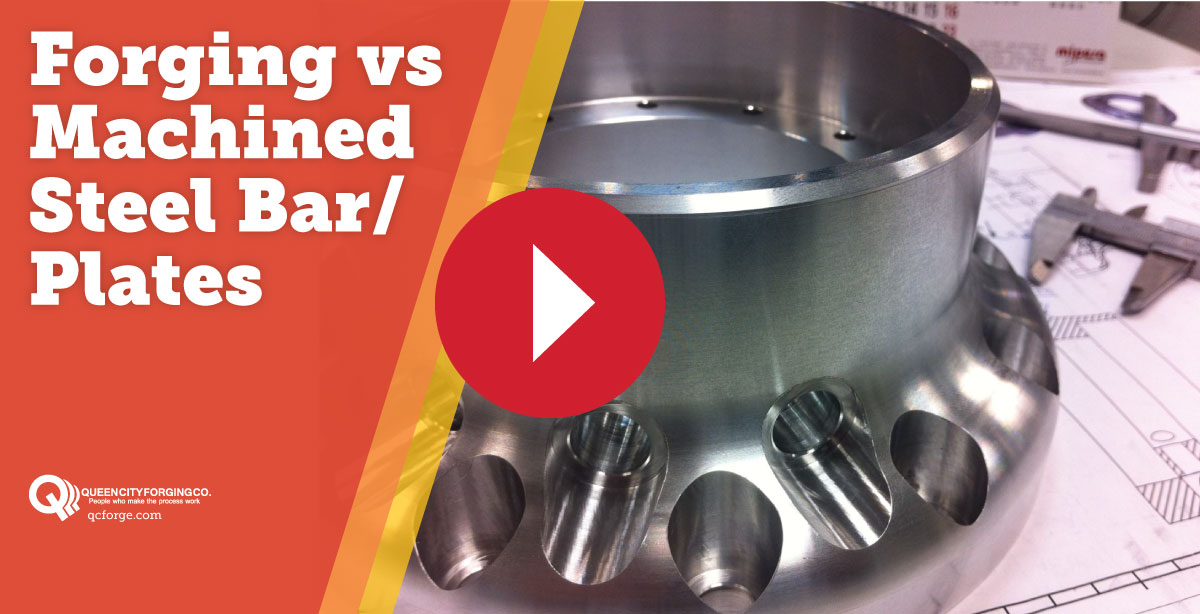
Learn more about forging vs machined steel bar/plates. Forging tends to create stronger and relaible components by reforming the grain flow into the geometry.
Click here to find out more about casting vs forging. Both casting and forging have their advantages and disadvantages and these processes cannot imitate one another.
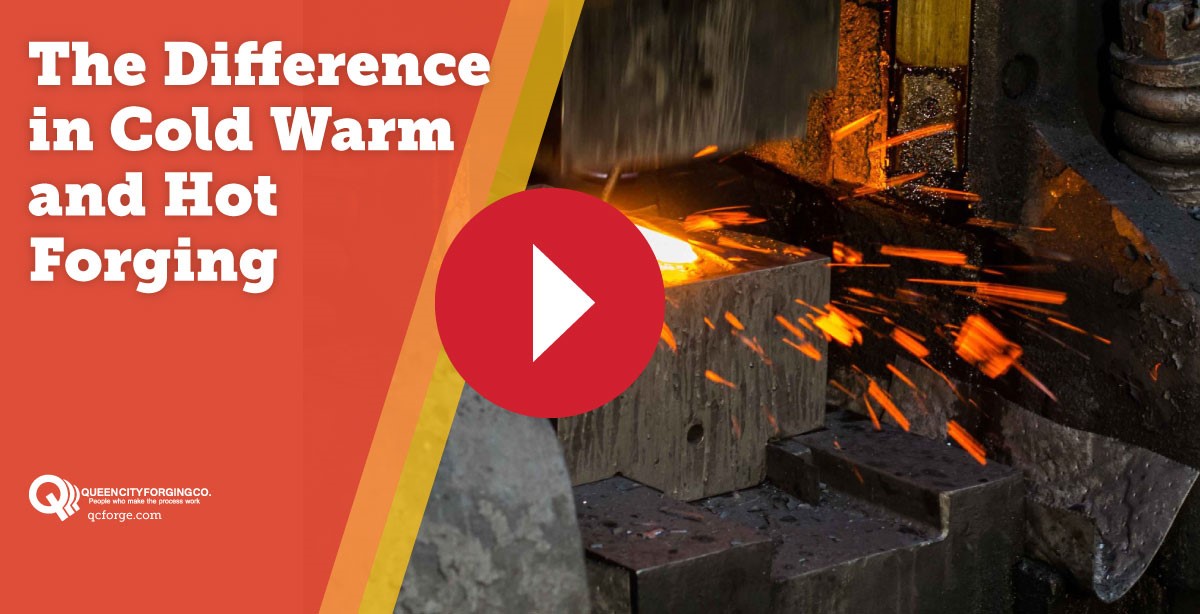
Learn more about the difference between cold, warm, and hot forging and how these processes affect the finished product. Advantages come with being able to forge at different temperatures.
Discover more about forging hexagonal steel parts for agriculture equipment. Queen City designs components with characteristics of high hardness and tensile strength.
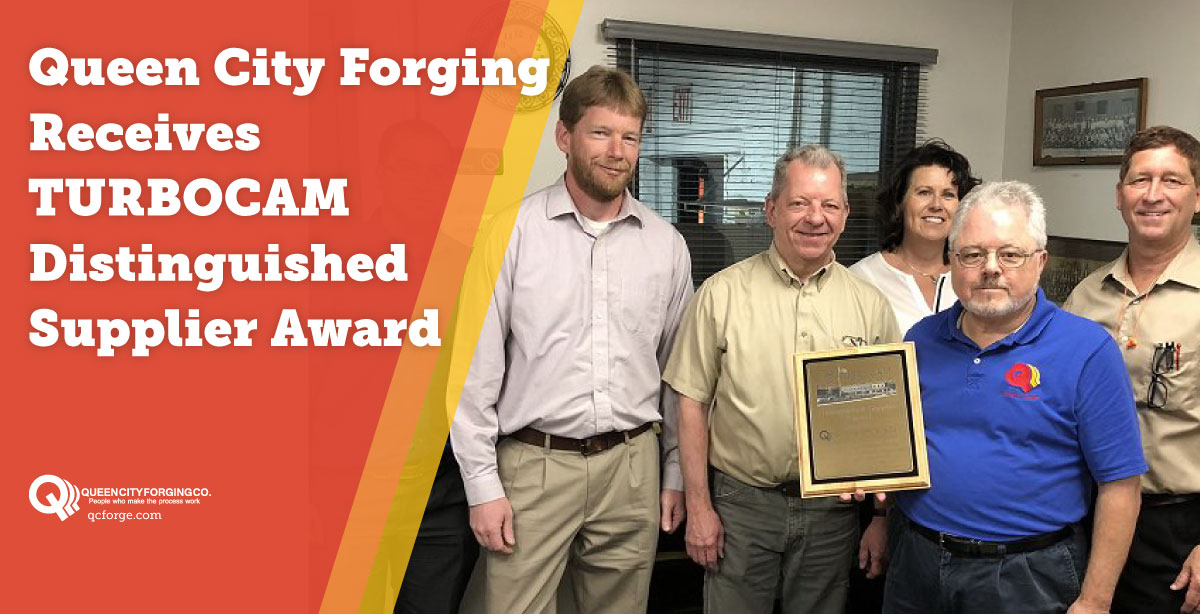
Find out more about Queen City's TURBOCAM Distinguished Supplier award for their exceptional quality, service, on-time delivery and proactive communication.
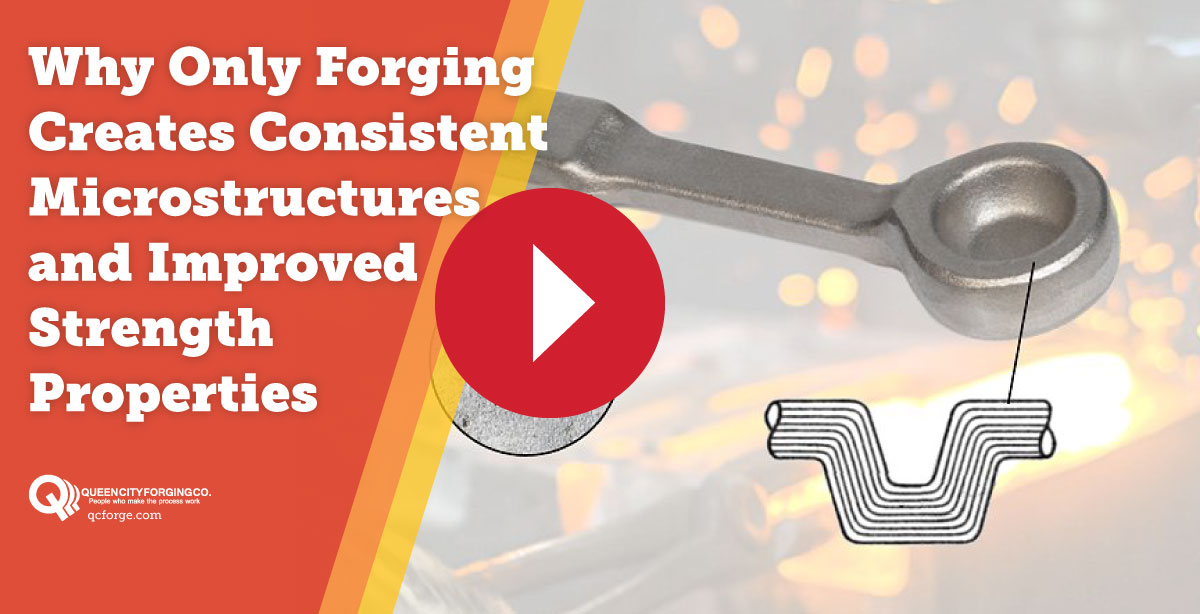
Click here to learn more about why only forging creates consistent microstructures and improved strength which provides grain flow properties that increase directional strength.
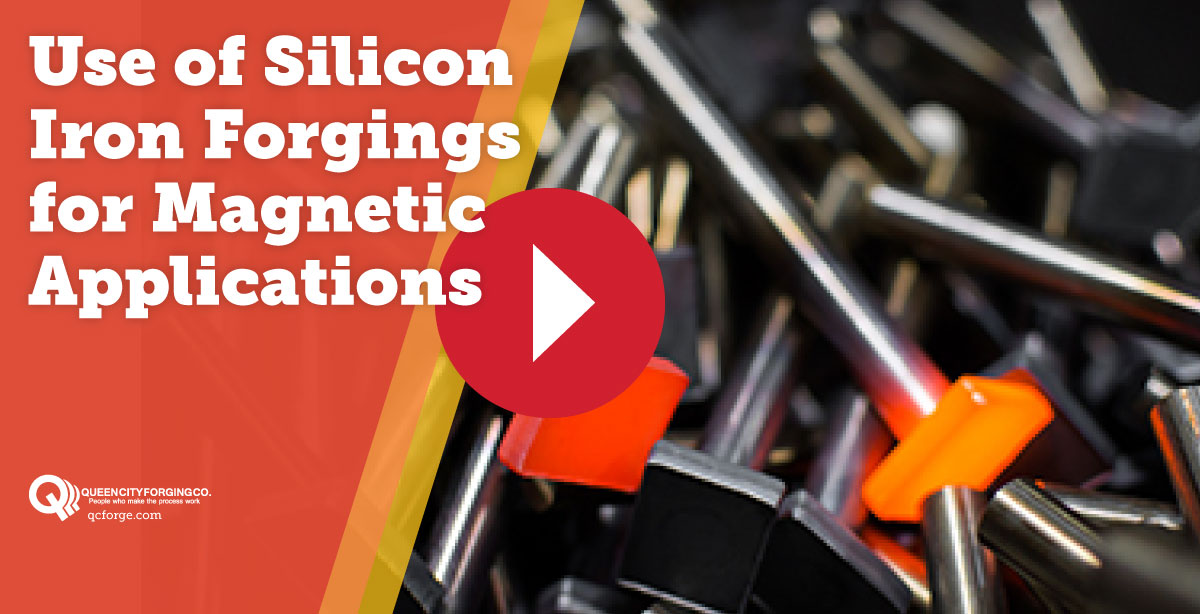
Learn more about how Queen City uses silicon iron forgings for magnetic applications. The components magnetic properties are crucial when creating electromechanical relays.
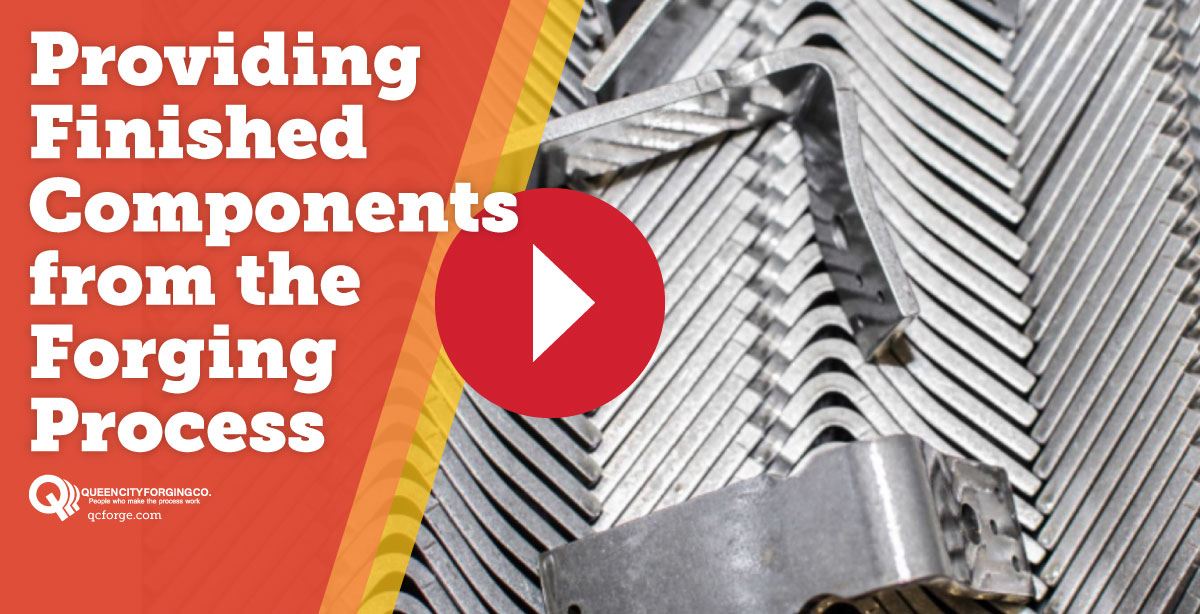
Find out more about providing finished components from the forging process. At Queen City, we have expert knowledge about forging process advantages.
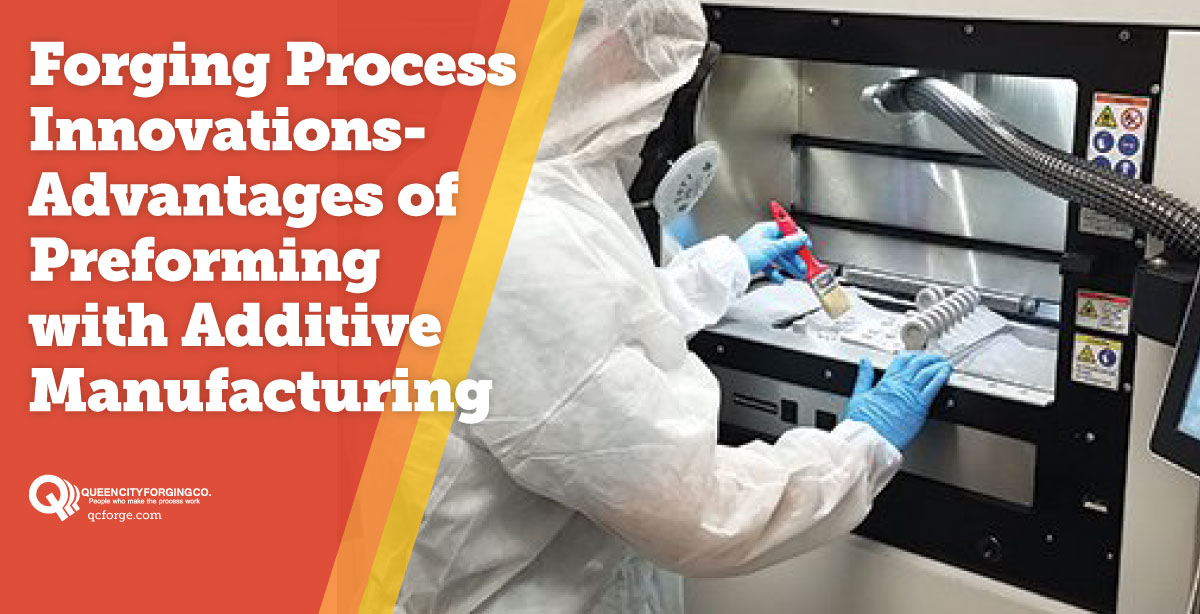
Click here to learn more about the advantages of performing with additive manufacturing and how it creates 3-dimensional structures by adding thousands of layers that merge together to create a net shape.
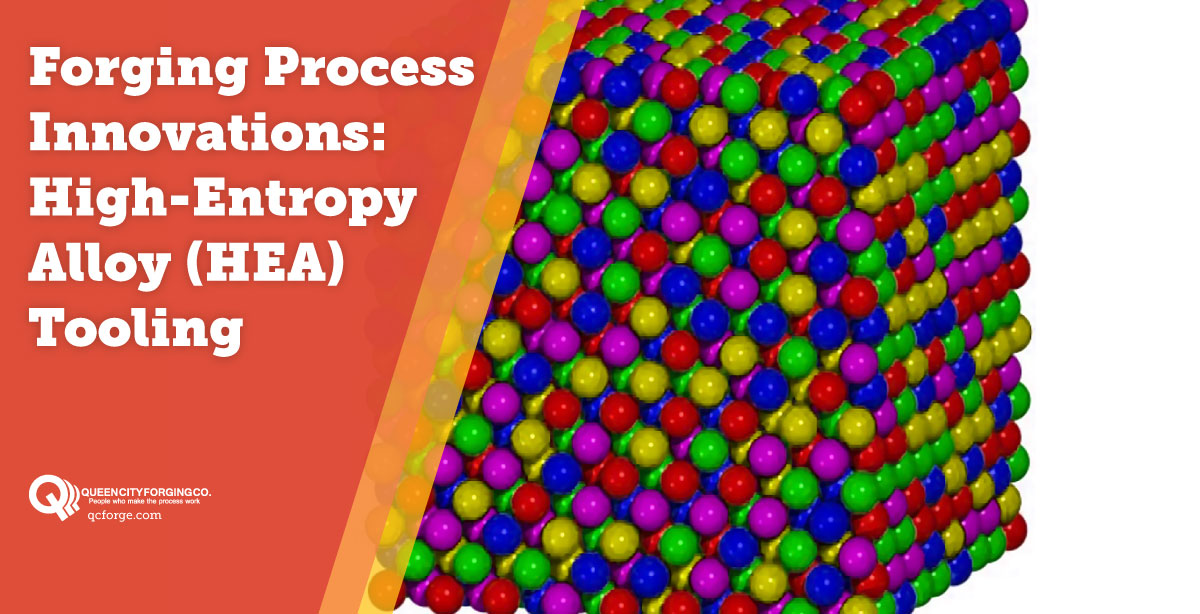
Learn more about high-entropy alloy (HEA) tooling. At Queen City forging, we are constantly looking for new metallurgies to aid in innovations to the forging process.